
Direct message to the respective location, not to an individual person
Your personal search profile
Receive the real estate offers you are looking for before they are even on the market.

Rent out
Date
22.7.2026
Share
A castle of one’s own: To some, it sounds like an unattainable dream; to others, it initially sounds like a lot of work. But anyone who seriously explores historic estates will quickly discover a surprising perspective. Hardly any other category of Real Estate combines so much space, privacy, architectural quality, potential for use, and history under one roof.
Historic estates are often located outside densely populated areas, nestled within expansive properties, parks, forests, or farmland. What once served the purposes of prestige, defense, or the management of an estate now offers a luxury that has become rare: distance.
In this context, distance does not necessarily mean isolation. Many castles are surprisingly close to cities, airports, and major transportation routes. Nevertheless, their location, their walls, and the size of their grounds create a world of their own, without sacrificing ease of access.
A castle doesn’t have to be an oversized residence. Rather, its size offers the opportunity to thoughtfully integrate different areas of life. Private living spaces can be combined with offices, guest apartments, or reception rooms. Depending on building code requirements, outbuildings can be used for staff housing, medical offices, workshops, or additional workspaces. Many estates also allow for intergenerational living arrangements without the individual residents having to sacrifice their privacy. For business owners, a historic estate can therefore serve as a residence, a workplace, and a prestigious setting all at once. A castle offers more than just plenty of space; it offers the opportunity to continually reinterpret its spaces throughout one’s life.
Anyone who lives in a historic estate becomes part of a story that began long before their own time and will continue long after it.
This realization changes one’s relationship to property. One does not “own” a castle in the same sense as one owns an ordinary piece of real estate. Rather, one assumes responsibility for a certain period of time for a place that was created, expanded, altered, and preserved by previous generations. Old wooden beams, tiled stoves, vaulted ceilings, and historic gardens are not merely decorative elements. They tell stories of social change and artisanal skill. At the same time, each new owner has the opportunity to add another chapter to that story.
There is a special way of life in this. You don’t own an artificially created setting; instead, you live in a building that has evolved over time and has an authentic history.
Many modern buildings are designed for efficiency, short construction times, and standardized use. Historic castles were built under different conditions. Solid natural stone walls, sturdy roof trusses, and handcrafted components have, in some cases, already withstood several centuries. A building that has stood the test of time over centuries has already impressively demonstrated its fundamental durability.
A well-maintained castle is not only preserved for use today but can also be passed down and continue to stand long after many newer buildings have already been extensively replaced or rebuilt. Its value lies in its uniqueness. Historic structures can be restored, but they cannot be recreated.
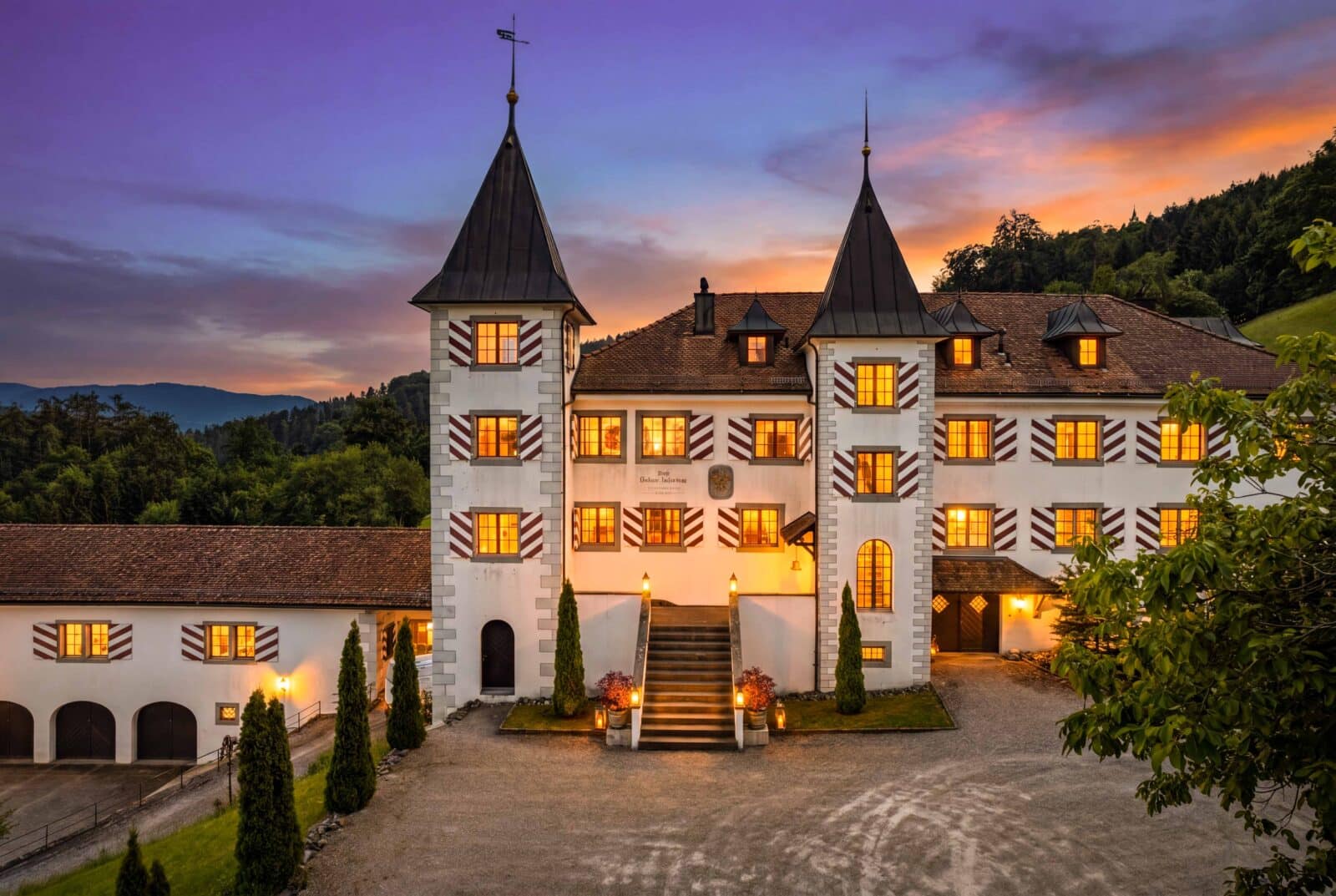
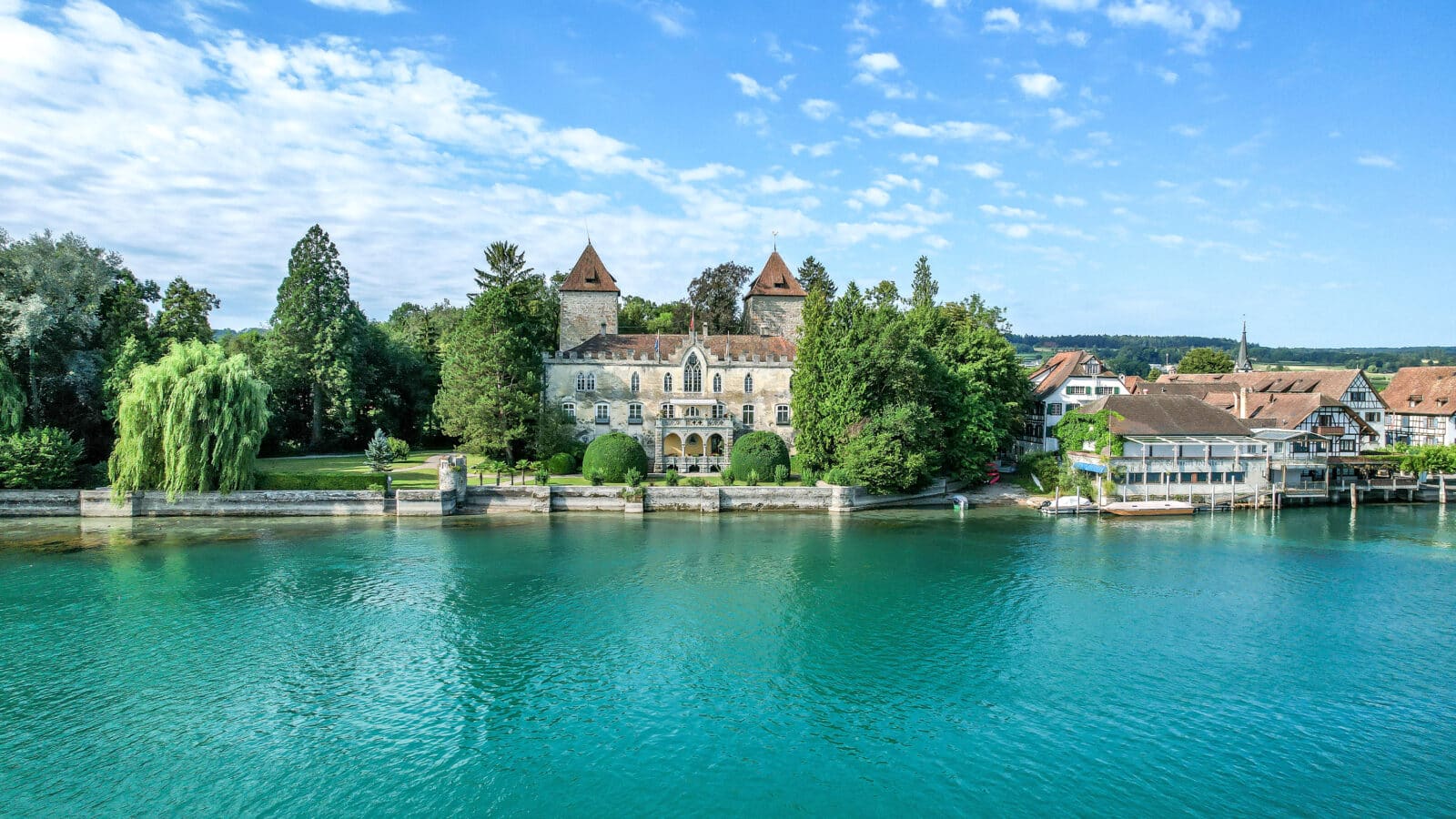
Not every castle has towers, battlements, and a moat. The term “castle” encompasses a wide variety of building types and architectural styles.
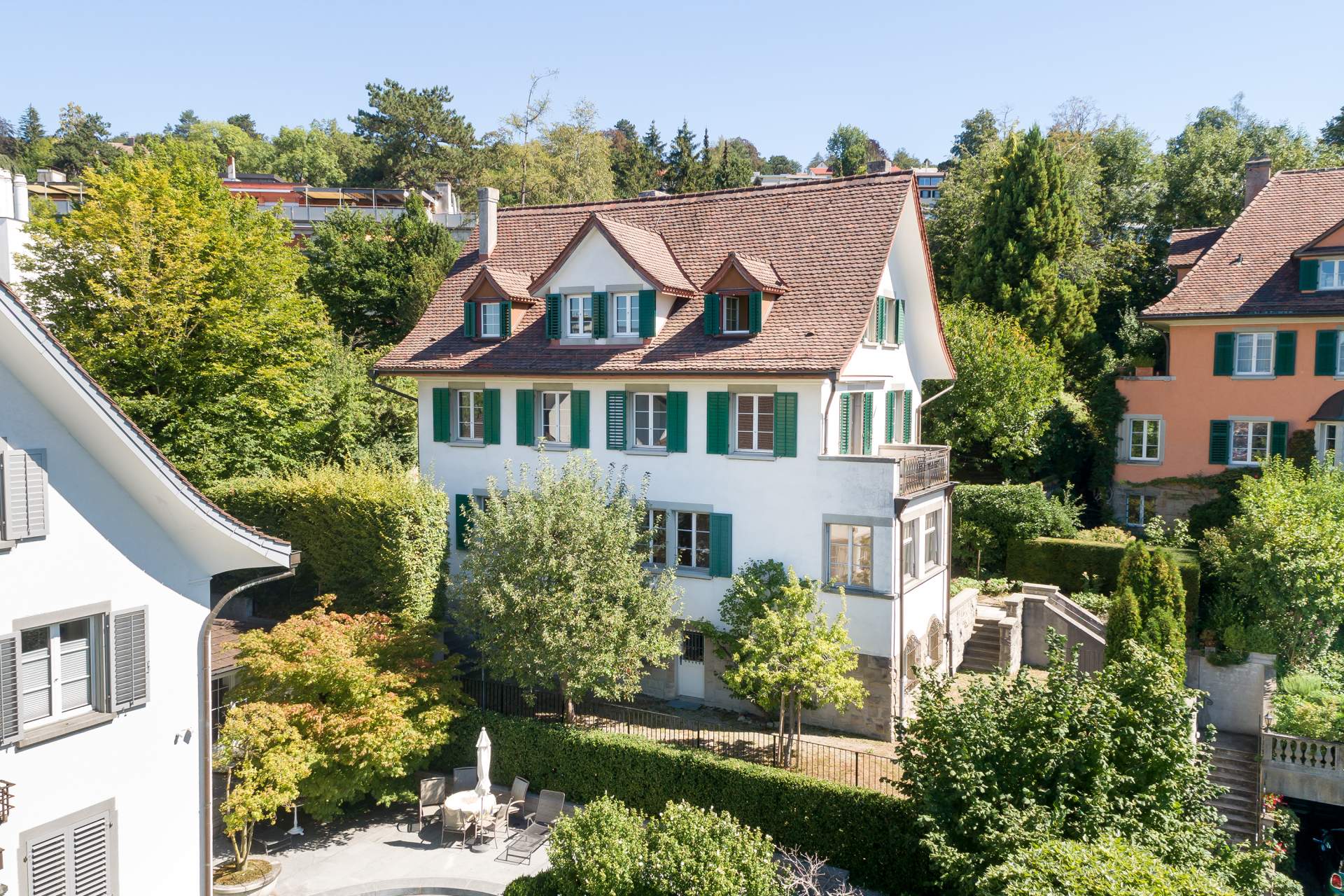
Some properties are more reminiscent of spacious country estates or manors. With a stately main house, outbuildings, and extensive grounds, they offer space for a variety of lifestyles:
As different as these properties may be, they all have one thing in common: they give their owners a sense of identity, freedom, and a place to live that is unlike almost any other property.
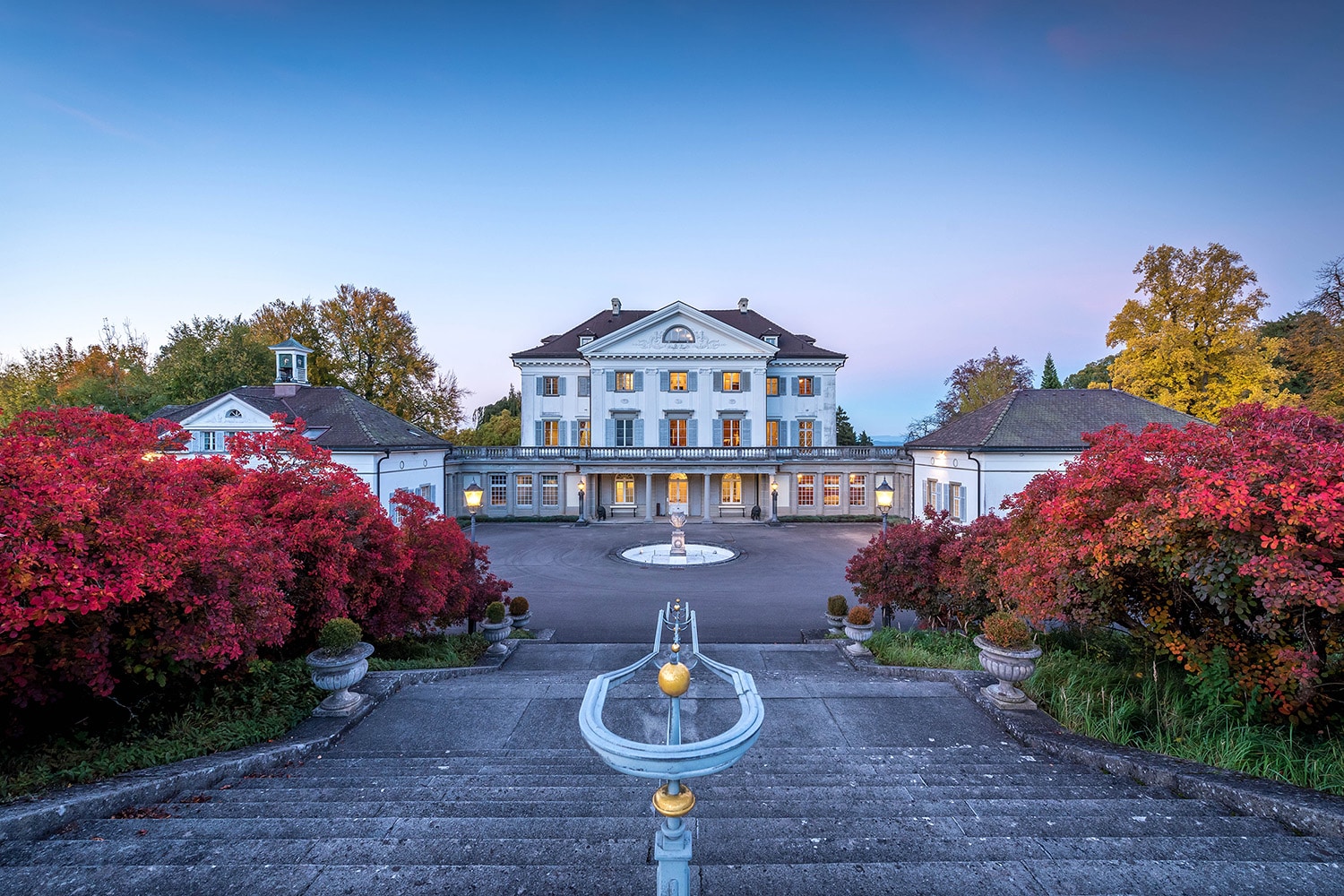
The image of a drafty, dark castle with a leaky roof still lingers in some people’s minds. However, it has little in common with the reality of many historic properties coming onto the market today.
Numerous castles have been carefully maintained, professionally restored, and technically upgraded by their owners over the decades. Today, historic interiors are combined with modern building services, state-of-the-art heating systems, and a high level of living comfort. The goal is not to transform a castle into a new building, but rather to create a harmonious blend of centuries-old architecture and contemporary design that exudes a special charm.
Thanks to smart room controls and targeted energy-efficiency improvements, many historic estates can now be operated much more efficiently than they were just a few decades ago. Not every room needs to be heated constantly, which allows for precise control of energy consumption. At the same time, the massive stone walls are an advantage, especially during increasingly hot summers: they help balance out temperature fluctuations and often ensure a pleasantly cool indoor climate. A castle that has been carefully maintained over the years therefore often results in more predictable costs than many people assume.
There is no such thing as a “typical” castle owner. People, their interests, and the way they use a historic estate are simply too diverse. Owning a castle does not in and of itself make someone special. Yet the decision to own a castle reveals something about one’s outlook. After all, people express their identity not only through what they do, but also through the places and objects with which they surround themselves. Consumer researcher Russell Belk describes ownership as a potential extension of the self: meaningful things and places can become part of how people understand themselves and how they are perceived by others. In the case of a castle, this connection is obviously particularly pronounced. Behind it often lies a strong need for individuality. Discerning consumption, therefore, serves not only to demonstrate affluence. It can also be an expression of personal goals, aesthetic discernment, cultural interests, and a conscious distinction from the ordinary.
In a world where almost anything can be bought, uniqueness is one of the last true luxuries. A castle, therefore, is not just an extraordinary possession. It is the physical embodiment of a way of life that consciously sets itself apart from the crowd.
Whether they’re historians, entrepreneurs, artists, collectors, animal lovers, or large families: castle owners couldn’t be more different. Some create a modern work environment within historic walls, while others pursue their passion for horses, classic cars, or wine collections—or build a home for multiple generations. What unites them is not their profession or background, but the desire for a life as unique as the estate itself.
It’s too simplistic to interpret every castle purchase as an expression of prestige. A castle undoubtedly exudes social prestige. But for many owners, its true value lies deeper. They seek authenticity and character in a place that doesn’t need to be given an identity through costly staging—but already possesses one. A castle doesn’t fit every lifestyle. It requires an openness to its historical substance and a willingness to think about decisions in the long term. In return, it offers something that has become rare even in the exclusive real estate segment: true uniqueness—for the property itself and for its owner. You gain privacy, prestige, and a way of life that cannot be fully expressed in square meters or rates of return. Perhaps that is why, in the end, only one question remains: Where can you get more for your money today than by buying a castle?
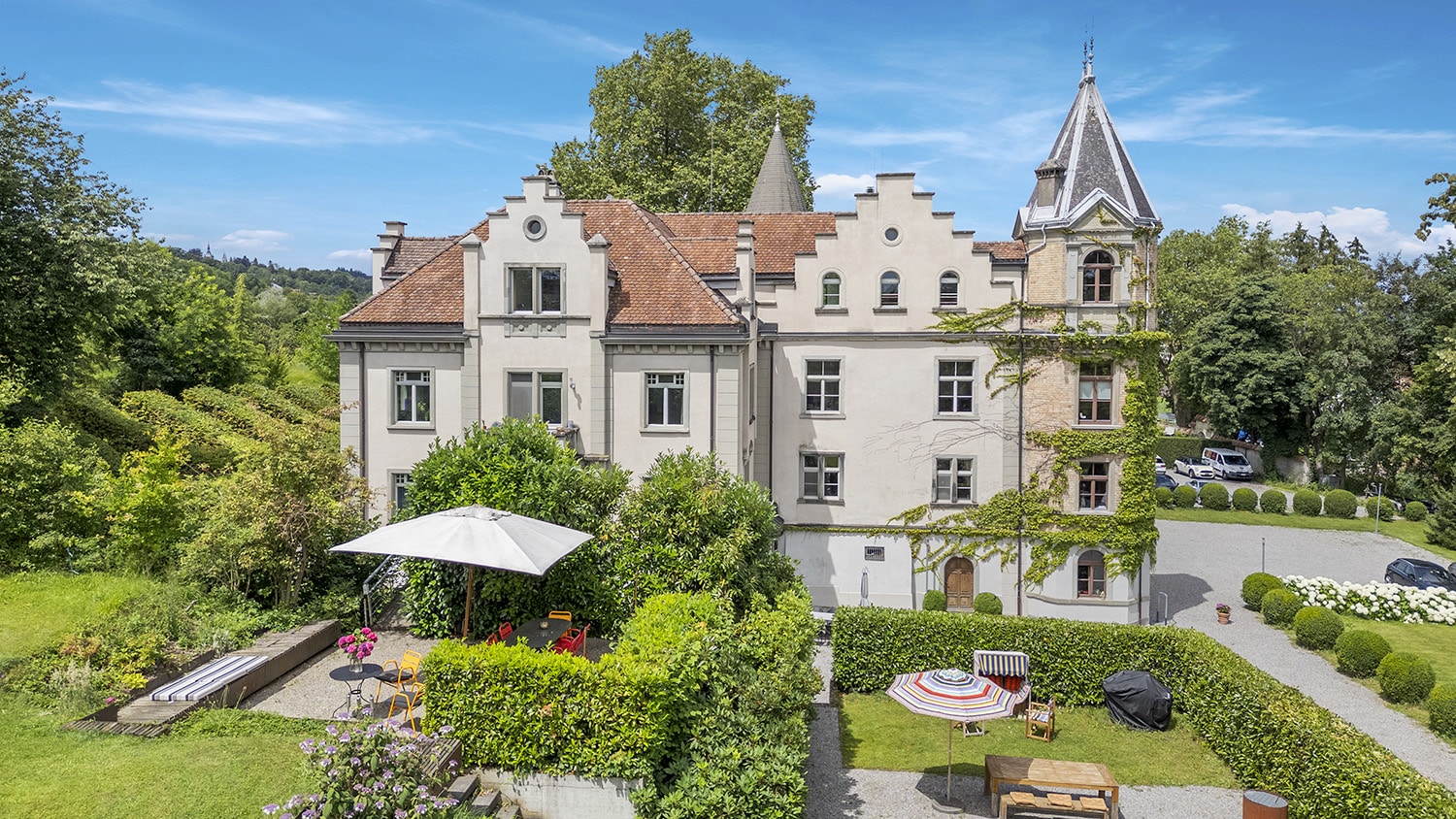
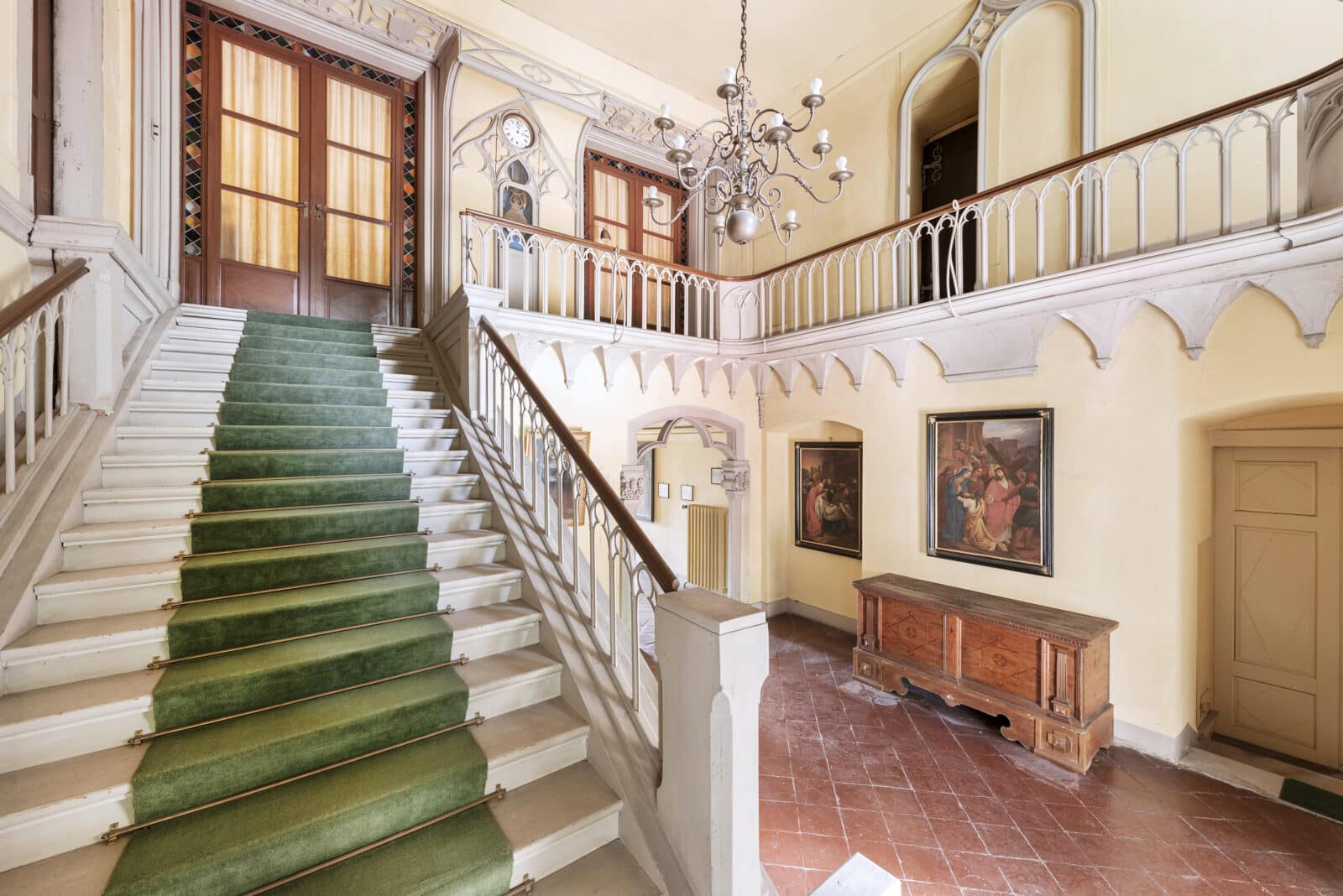
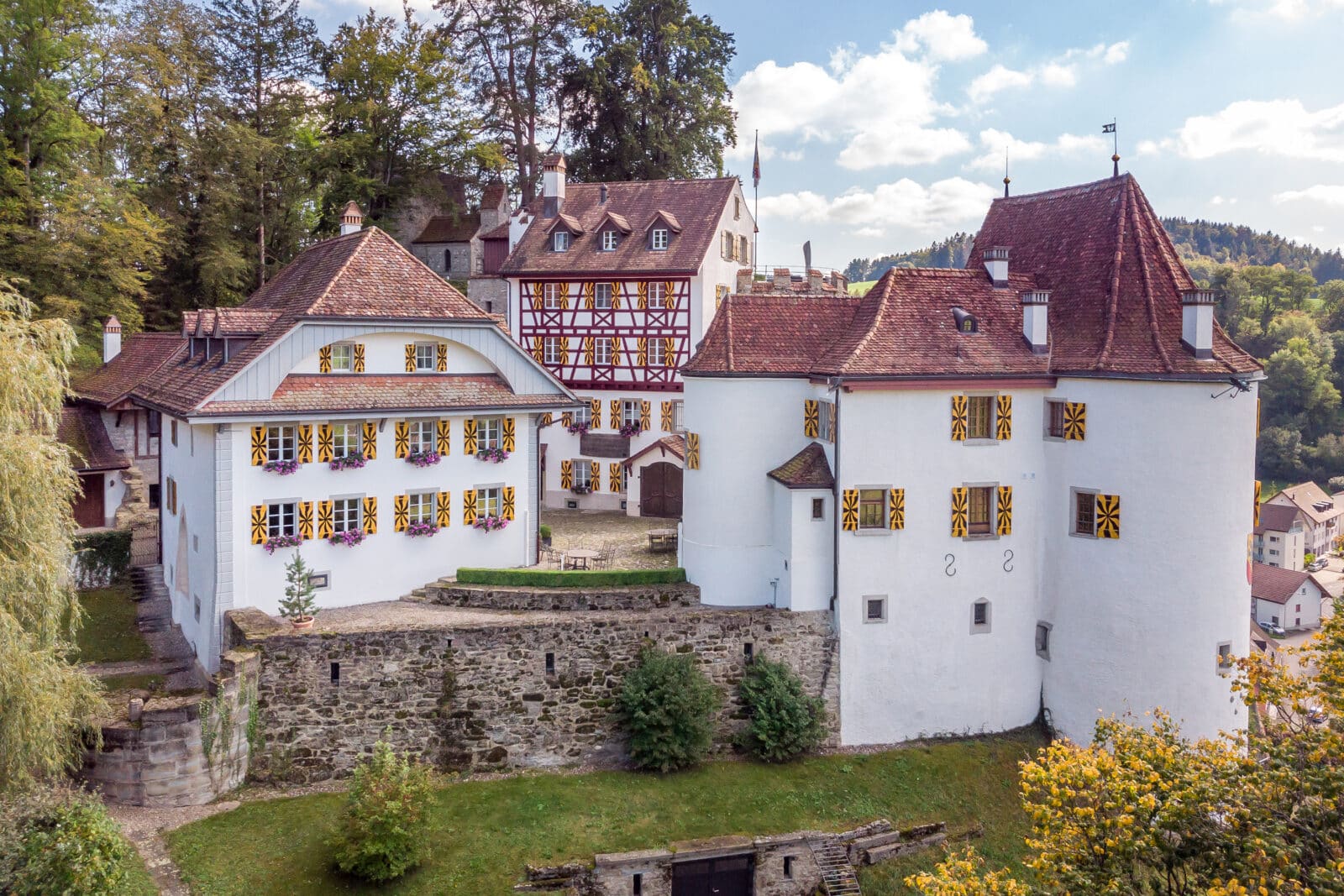
We currently have several historic castles that we are listing exclusively off-market. We’d be happy to tell you more about these exceptional properties. We look forward to hearing from you.

We have many years of experience in the sales of historic estates and notable castles, and we would be happy to advise you.

Between Renovation and Decisions for the Future: What the Imputed Rent Really Means
Reading time: 7 min
Housing for the Elderly: Recognizing Fears, Seizing Opportunities
Reading time: 7 min

We’ll be opening in Davos soon: The excitement is building.
Reading time: 4 min
Cold Beds or a Fulfilling Life?
Reading time: 3 min
We inform you about suitable properties before they are publicly offered.
"*" indicates required fields
One of the many advantages
I already have an account. To the login
"*" indicates required fields
"*" indicates required fields