Your personal search profile
Receive the real estate offers you are looking for before they are even on the market.

Rent out

Date
22.7.2026
Share
When people are in their fifties or sixties, almost no one likes to think about getting older. And yet, at some point, questions arise: How long can I stay in my own home? What if climbing stairs or maintaining the house becomes increasingly difficult? And how do I manage my assets so that I can continue to enjoy my standard of living in the future?
One’s own home plays a central role in this. After all, in old age, having a place to live means far more than just a Roof over one’s head. It represents independence, security, memories, and the prosperity one has built up over decades.
Some people in the second half of their lives live in homes that have long since outgrown their needs. Yet they stay: out of a sense of attachment to their home and because there are no attractive alternatives. At the same time, maintaining the home becomes increasingly demanding, while moving doesn’t feel right—either emotionally or financially.
But where do you start? A good first step is to take stock of the situation:
For many people, independence is one of the most important prerequisites for a fulfilling life. As long as you can manage your own home, go shopping, cook, and organize your daily life on your own, you can maintain a high quality of life.
But what happens if the house has multiple floors? What if the yard becomes increasingly difficult to maintain, or the bathroom no longer meets today’s needs? Often, it’s not the square meters that determine whether a home will still be suitable in old age, but seemingly minor obstacles like stairs, thresholds, or a lack of barrier-free design.
Such considerations demonstrate foresight and forward-looking planning.
People who assess their homes for their suitability for everyday living often identify areas today that could become more important in the future. These include, for example:
Many parents want to place as little burden as possible on their children. They want to manage their own affairs and make decisions on their own.
In conversations with Property owners, we often find that these topics go unaddressed within the family for a long time. Yet open discussions provide clarity. They help identify differing expectations early on and prevent situations in which family members are later forced to make decisions under time pressure.
Depending on the situation, Sales can also free up financial resources that can later be used, for example, for support services or care. This helps you maintain your independence for as long as possible.
A home is much more than just a piece of Real estate. It’s often the place where children grew up, birthdays were celebrated, and countless memories were made. You know your neighbors, your walking route, the bakery, and every corner of the neighborhood.
Anyone who, after thirty or forty years, is thinking about moving is not only saying goodbye to a home, but also to a chapter of their life. It is therefore completely understandable that this thought is difficult to accept.
As difficult as this step may be, moving to a new home does not automatically mean a loss of quality of life. On the contrary: Those who are still active and mobile usually find it easier to make connections, discover new routines, and, step by step, build a new social circle that fits their current life situation.
“Thebest decision is rarely the quickest one. Those who address their housing situation early on gain one thing above all else: the freedom to shape the next chapter of their lives according to their own vision.”
Martin Klement, Real estate Consultant
Smaller, well-located, and age-appropriate apartments are in high demand in many places. That’s why it’s worth starting your search early. Especially if you want to stay in your familiar neighborhood or have specific ideas about size, amenities, and location, the search may take longer than expected.
A smaller home often opens up new possibilities: less Maintenance, lower fixed costs, and more time for hobbies, travel, or family. At the same time, Sales of your current home can provide the financial flexibility to find a living arrangement that better suits the next phase of your life. However, a careful analysis may also reveal that a renovation or another solution makes more sense.
Retirement often marks the beginning of a new chapter in life. At the same time, your financial situation changes. Questions such as “Will my AHV and pension fund be enough in the long run?”, “What housing costs do I want to cover in the future?”, “Will I still be able to afford my Mortgage after retirement?” or “How much financial leeway will I have left for travel, hobbies, or supporting others later on?” are questions you shouldn’t wait until you’re eighty to ask yourself.
Those who start thinking things through as early as fifty or sixty can make decisions calmly, gain confidence, and carefully weigh their various options.
Over the course of decades, a whole lifetime’s worth of belongings accumulates. The Basement, attic, garage, photo albums, mementos, and furniture all tell stories. The thought of sorting through all of this feels overwhelming to many. Yet people who have already taken this step often say something quite different: They don’t see letting go as a loss, but as a liberation. Less clutter creates space for a new chapter in life—and often for new experiences as well.
That’s why it’s worth not waiting until right before a potential move to start. If you organize individual Rooms early on or gradually let go of things, you’ll usually find the process much less stressful.
It doesn’t always have to be Sales. Perhaps a Renovation is all that’s needed, a smaller condo might be a better fit, or an age-appropriate rental apartment could offer the freedom you’re looking for. New living arrangements, such as multigenerational homes, shared living arrangements for adults, or apartments with on-site services, also expand your options.
Which solution is right depends on your personal needs, financial situation, and plans for the future. By researching your options early and comparing different alternatives, you’ll create flexibility and be able to shape the next phase of your life according to your own vision.
We will address these questions at our industry event on September 15 in Winterthur. The event will focus on two topics that many property owners will face sooner or later: How do housing needs change as we age? And what options are available for proactively passing on a property as part of estate planning?
Together with guest speakers from Bank Vontobel AG, we’ll explore various options and provide practical information and valuable insights to help you make decisions that are worth planning for well in advance.
Tuesday, September 15, 2026
Ginesta Real Estate, Bahnhofsplatz 18, Winterthur
Following the presentations, we invite you to join us for refreshments and a chance to chat with our speakers.
There is no charge to attend. Reserve your spot now. We look forward to seeing you.

I’d be happy to advise you on all aspects of “housing for seniors.”
Martin Klement, Real Estate Consultant

NZZ Residence, October 26: Interview with Claude Ginesta: “To me, providers of fixed-price models aren’t real Real estate agents”
Reading time: 8 min
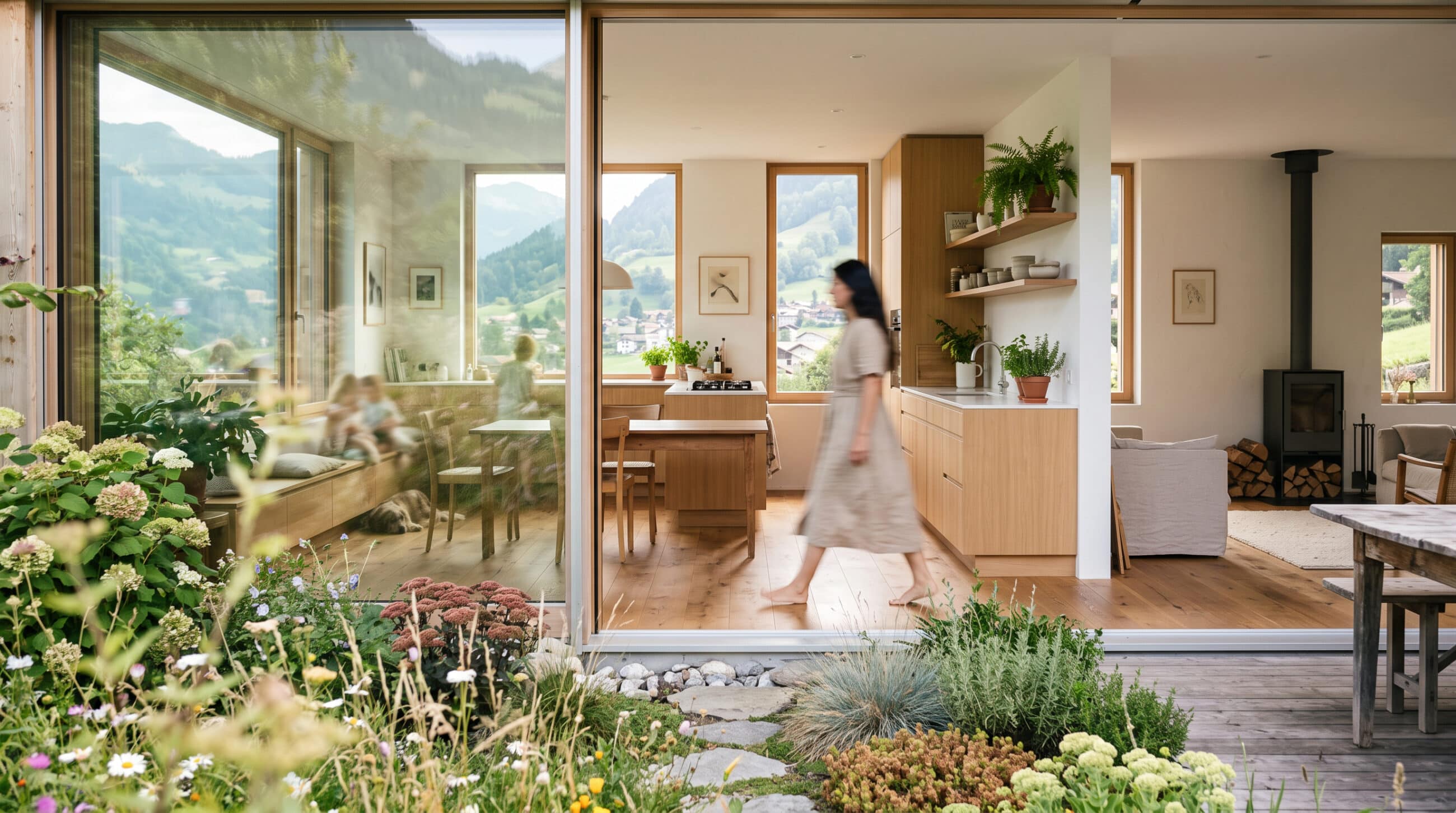
World Habitat Day
Reading time: 5 min

Event: Real estate Gains Tax on the Sales of a Multi-Family Home
Reading time: 1 min
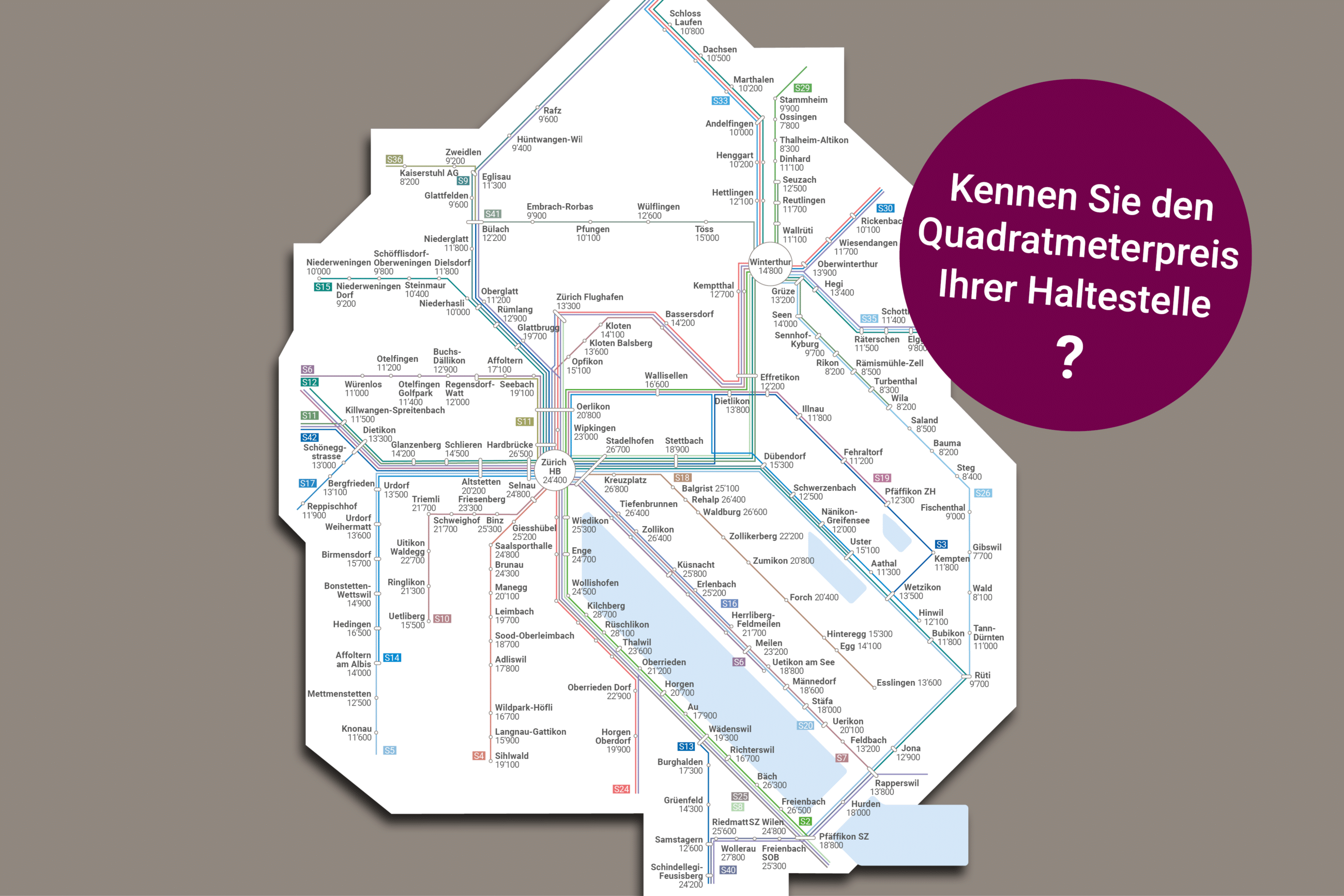
The real estate market is riding the S-Bahn
Reading time: 2 min