Your personal search profile
Receive the real estate offers you are looking for before they are even on the market.

Rent out
Date
5.7.2026
Share
How can contemporary living comfort be combined with centuries-old architectural traditions? This question is on the minds of homeowners, architects, and investors alike today. After all, historic Engadin homes are in greater demand than ever. At the same time, expectations regarding energy efficiency, quality of life, and sustainable use are rising. The challenge lies in blending tradition and modernity in a way that preserves the character of these unique buildings.
Where Architecture Forges Identity
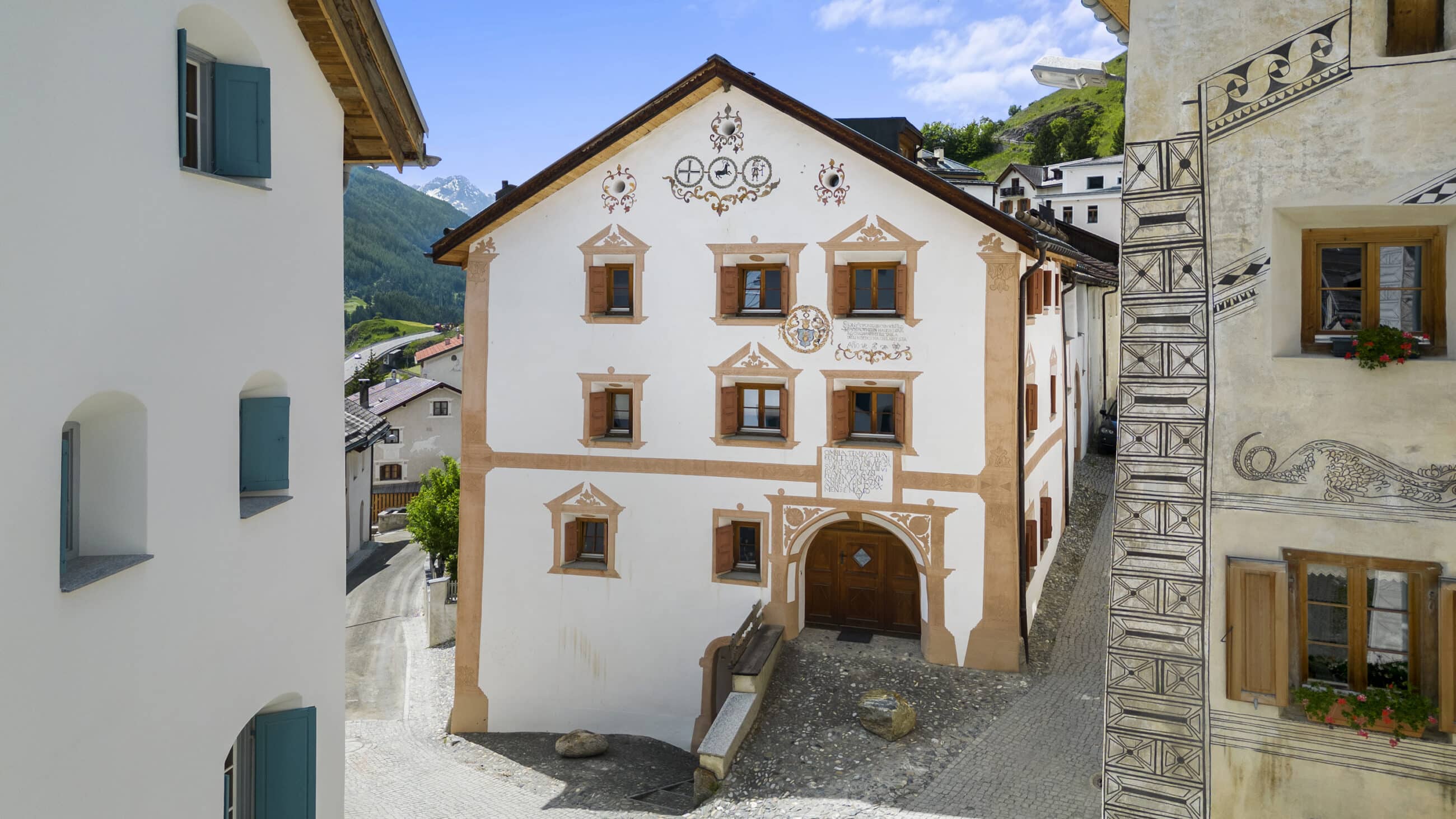
Anyone strolling through the alleys of Scuol, Ardez, or Sent will recognize the architectural heritage of the Engadin at first glance: massive walls, ornate sgraffito, low-set windows, and the characteristic round-arched gateways tell a story spanning several centuries. These houses were not primarily designed to meet aesthetic standards, but rather followed clear functional principles: thick walls stored heat, small windows minimized energy loss, and the integration of living and working spaces was optimally tailored to the needs of the time.
To this day, these buildings shape the character of many Engadin villages and contribute significantly to the region’s identity. Their preservation is therefore far more than just an architectural issue. It is about preserving a cultural heritage that has evolved over generations. Numerous projects in the Engadin demonstrate that historic buildings and contemporary architecture need not be at odds with one another. On the contrary: in recent years, numerous projects have emerged in the Upper and Lower Engadin that draw on traditional design elements and reinterpret them. Typical features such as sgraffito, bay windows, or regional materials like natural stone, Swiss stone pine, and larch wood are just as much a part of modern living concepts as innovative energy solutions and contemporary comfort.
Quiet luxury instead of flashy displays
A notable trend is emerging, particularly in the high-end market segment. Today, the demand is less for spectacular prestige properties and more for homes with history, character, and a regional connection. Authenticity is increasingly perceived as a value in and of itself.
Many owners deliberately opt for high-quality natural materials, understated color schemes, and architecture that blends harmoniously into the Alpine surroundings. Behind the historic facades lie modern building systems, energy-efficient solutions, and contemporary floor plans. Externally, however, the appearance often remains deliberately understated.
The Art of Preserving the Old and Integrating the New
However, combining historic architecture with modern requirements calls for a delicate touch. Especially in the case of buildings worthy of preservation, changes are often only possible in close coordination with specialized agencies and authorities. A successful renovation therefore begins with an understanding of the existing structure. Often, it is precisely the historical details that give a property its special value: an original wooden beam ceiling, ornate sgraffito, or a spatial layout that has evolved over centuries.
In practice, it has been shown time and again that a cautious approach often yields the best results. For example, there are numerous cases in both the Upper and Lower Engadine where historic facades have been fully preserved, while behind them modern insulation, new building services, or contemporary living concepts have been implemented. When a balanced interplay between old and new is achieved, not only does the quality of living improve, but so does—in many cases—the long-term value of the property.
The future of Engadin’s architectural heritage thus lies in the hands of those who consciously choose to own such a house. Anyone who takes on an Engadin house also takes on responsibility: for preserving a cultural heritage, for ensuring the continued existence of typical village structures, and for safeguarding the region’s identity. There are an increasing number of successful examples in the Engadin: owners who lovingly renovate old houses and use them year-round, investors who refrain from unnecessary alterations and enhance what already exists, and architects who build upon traditional elements rather than replacing them.
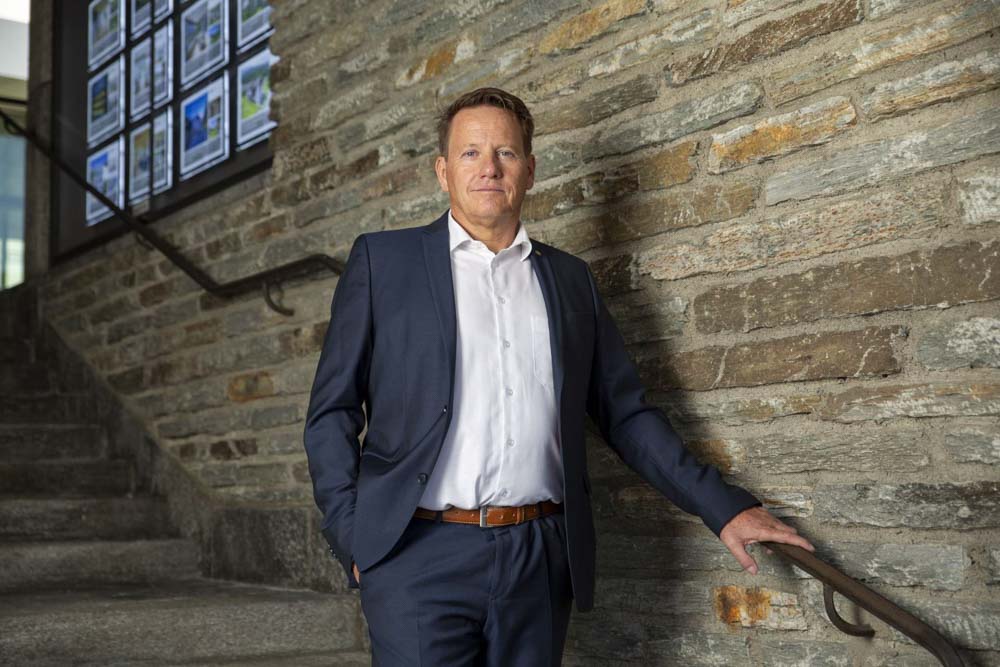
“When you take on an Engadin home, you also take on responsibility. Good advice helps you balance tradition, preserving value, and ensuring sustainability.”
Franco Giovanoli, Head of Brokerage
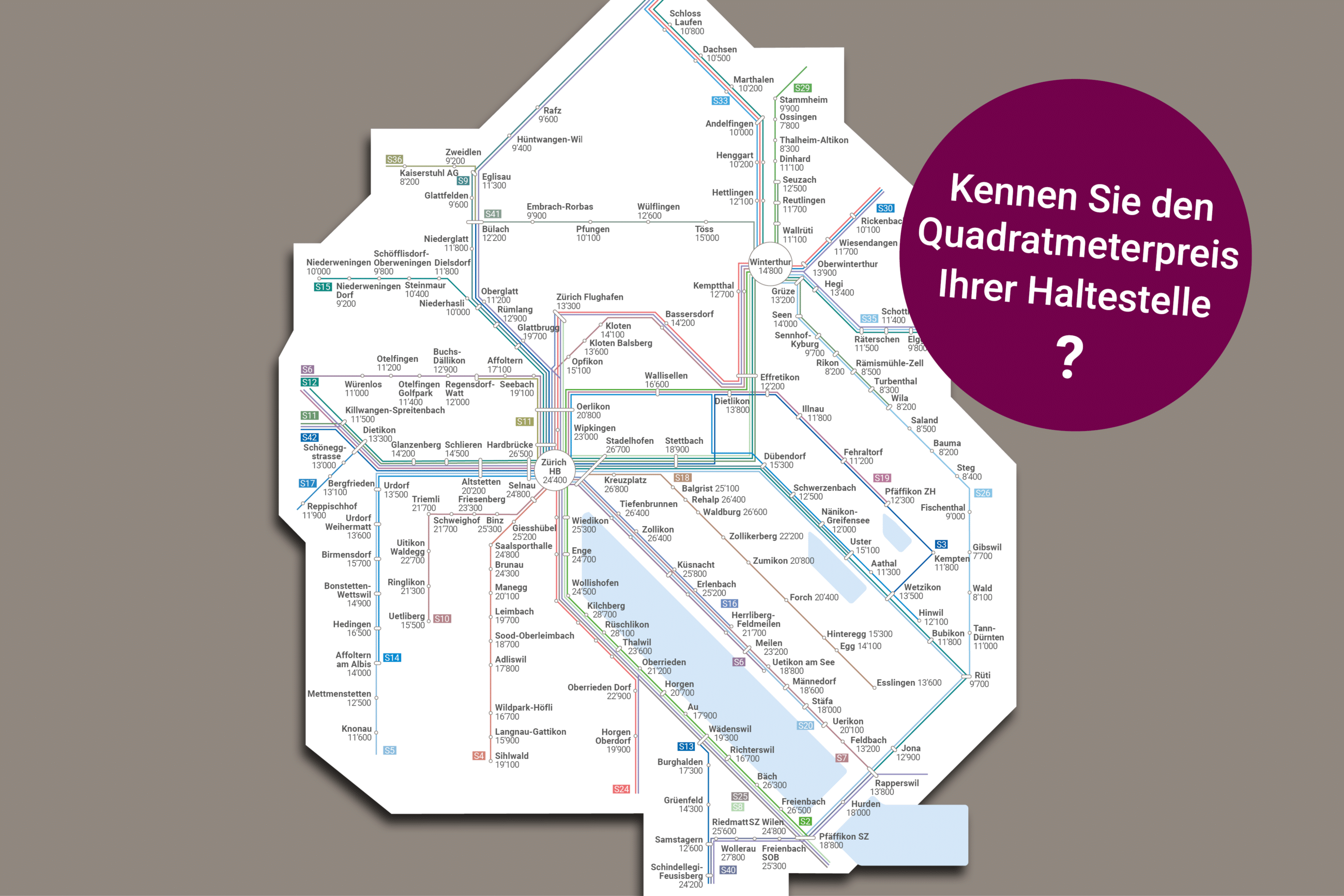
The Real Estate market is riding the S-Bahn
Reading time: 2 min
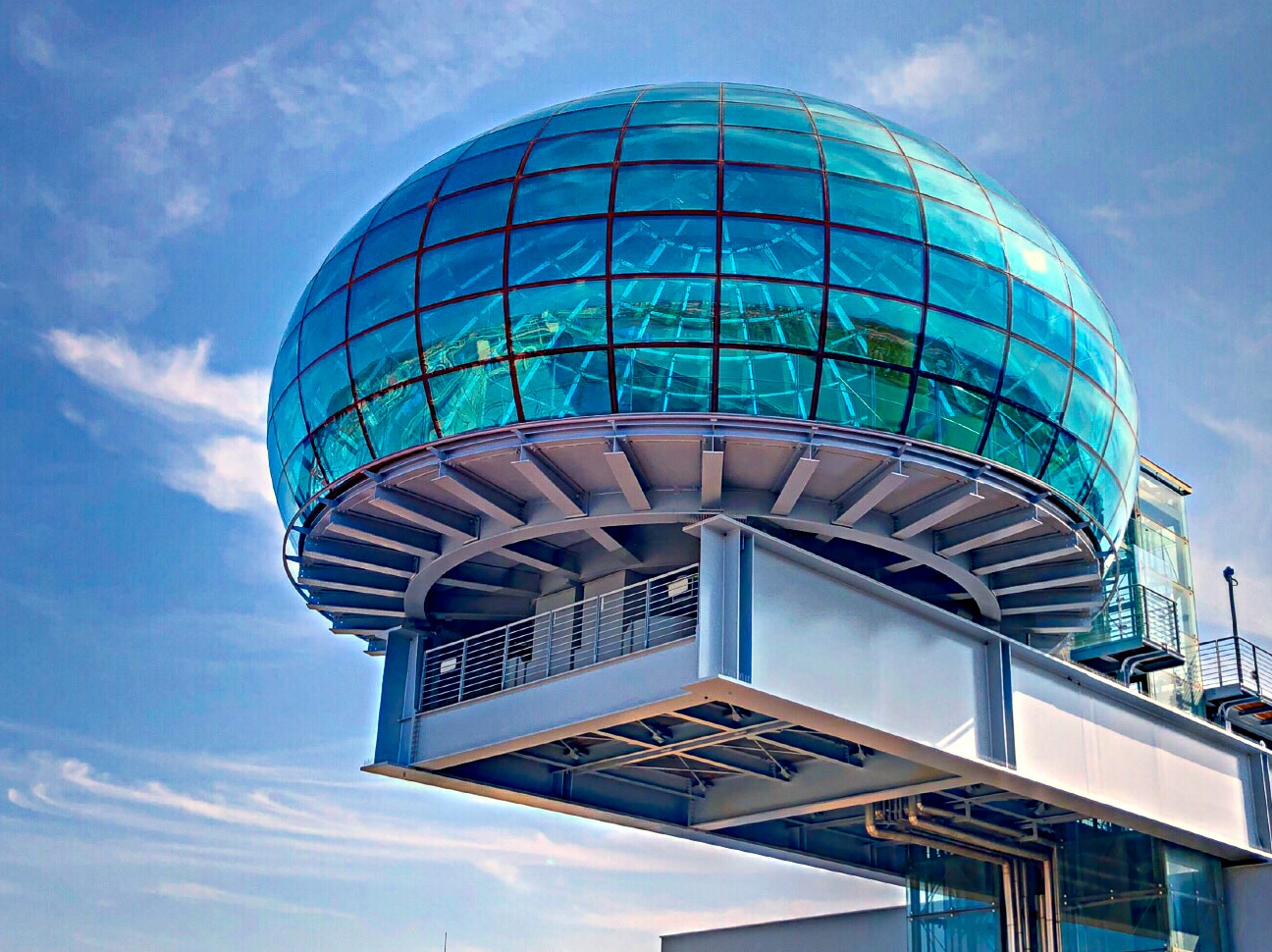
With “IN PASSING,” Claude Ginesta reveals a side of himself that few know.
Reading time: 3 min
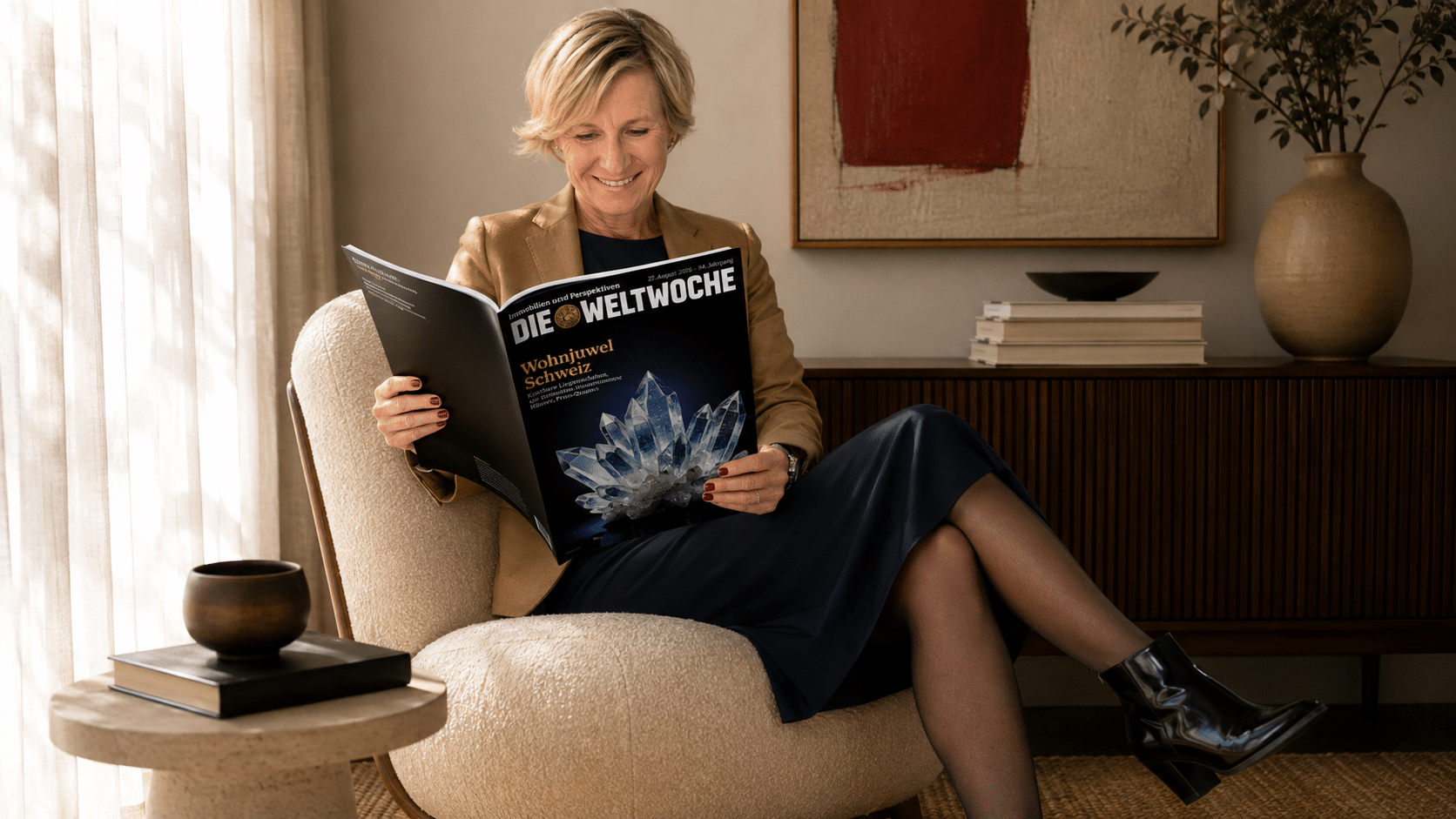
Article in *Die Weltwoche*: Interview with Katerina van der Laan, “The Swiss Are Still Very Good Buyers”
Reading time: 9 min
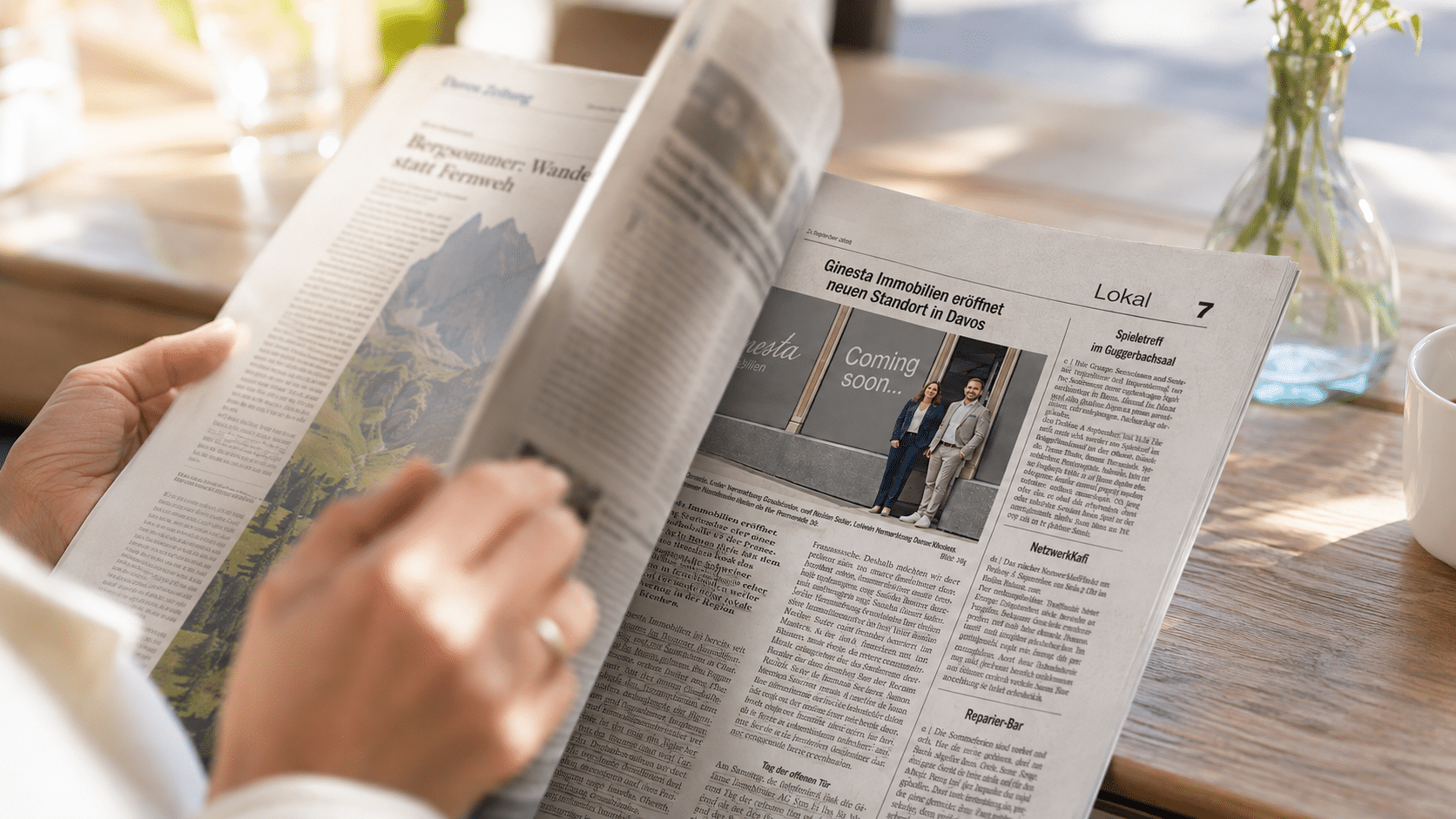
Davoser Zeitung, Sept. 1, 1926: Ginesta Opens New Office in Davos
Reading time: 2 min