Your personal search profile
Receive the real estate offers you are looking for before they are even on the market.

Rent out
Date
12.12.2024
Share
How do you define sustainability in the context of luxury Real Estate?
First of all, we would like to explain our understanding of luxury: For us, luxury in terms of architecture means that we can go to above-average lengths to design and realize exceptional buildings. These deviate from the norm and last for generations; the result is high-quality, long-lasting architecture with timeless materials.
Our interpretation of luxury already implies sustainability. For us, luxury has nothing to do with waste, but with privileges, such as the additional planning effort required to achieve a better result or the freedom to choose higher-quality and therefore more sustainable products when selecting materials. Energy systems are integrated that are more complex but more economical and take into account aspects of gray energy and recyclability.
What motivates you to integrate sustainable approaches into your projects?
On the one hand, the aspiration to create long-lasting architecture and not buildings that will be demolished after 20 to 50 years. On the other hand, the search for new ideas and architecturally sustainable solutions. The motivation to deviate from the norm as a pioneer, not to be mainstream, but to understand and implement this attitude as “state of the art”.
What trends do you currently see in sustainable materials and construction methods for luxury real estate, and what makes them particularly interesting?
We are seeing increased interest in wood, clay or alternatives to conventional concrete in the form of recycled or ecological additives. We are also seeing greater restraint in the use of chemicals and the increased use of natural building materials. But in general, we do not follow trends, we focus on conscious decisions for longevity and responsibility. For example: Is the natural stone or wood imported cheaply from Asia or the tropics or is our clientele prepared to spend more for material from the region or for certain quality seals? For the most part, we have the privilege that our customers have the means and the willingness to invest in sustainability.
What are the biggest challenges when it comes to implementing sustainability in luxury projects and how do you deal with them?
One challenge is often to make customers understand that rooms and atmospheres do not necessarily gain in quality through the largest possible panoramic glazing or a maximum of square meters. Deliberately placed openings – the “framed landscape” – have a great spatial and also energetic added value, in contrast to full-surface glazing. Viewing the shade of a tree or canopy as a benefit rather than a restriction is also helpful, both for the spatial quality and for the energy balance.
Another requirement is the harmonious integration of natural materials such as clay or other untreated materials that do not necessarily correspond to the common understanding of luxurious surfaces. There are many examples in the history of architecture that have revolutionized the image of new building materials and techniques.
Have your customers’ expectations and wishes with regard to sustainable construction changed in recent years? If so, in what way?
Yes, the requirements have changed. There are many customers who come to us with the desire for sustainable construction and who have already dealt with many aspects of construction and sustainability and have clear ideas about them. We support all customers in this process in a motivating way.
What do you consider to be the most important steps that need to be taken to further promote sustainable construction in the luxury segment and which aspects of sustainable Renovation or new construction do you find particularly complex or challenging?
We cannot say per se whether a conversion, which usually consumes less gray energy, is preferable to a new building and therefore decide on a case-by-case basis. Depending on the intervention and adaptations, conversions are more expensive and cannot always optimally meet the energy requirements. New buildings are technically up to date and can usually generate additional living space, which can contribute to the desired densification.
In order to further promote sustainable construction in general, various approaches are needed, such as financial incentives and requirements, investment in research and many bold and creative projects that make sustainable construction a success for all price segments.
How do you think sustainable construction and renovation techniques affect the resale value of luxury properties?
The combination of durable, timeless architecture with sustainable construction and low energy consumption, as well as raising customer awareness of these issues, are sure values that positively influence the sale of a property.
Can you give an example of where you have creatively implemented sustainable principles in one of your projects and set a trend?
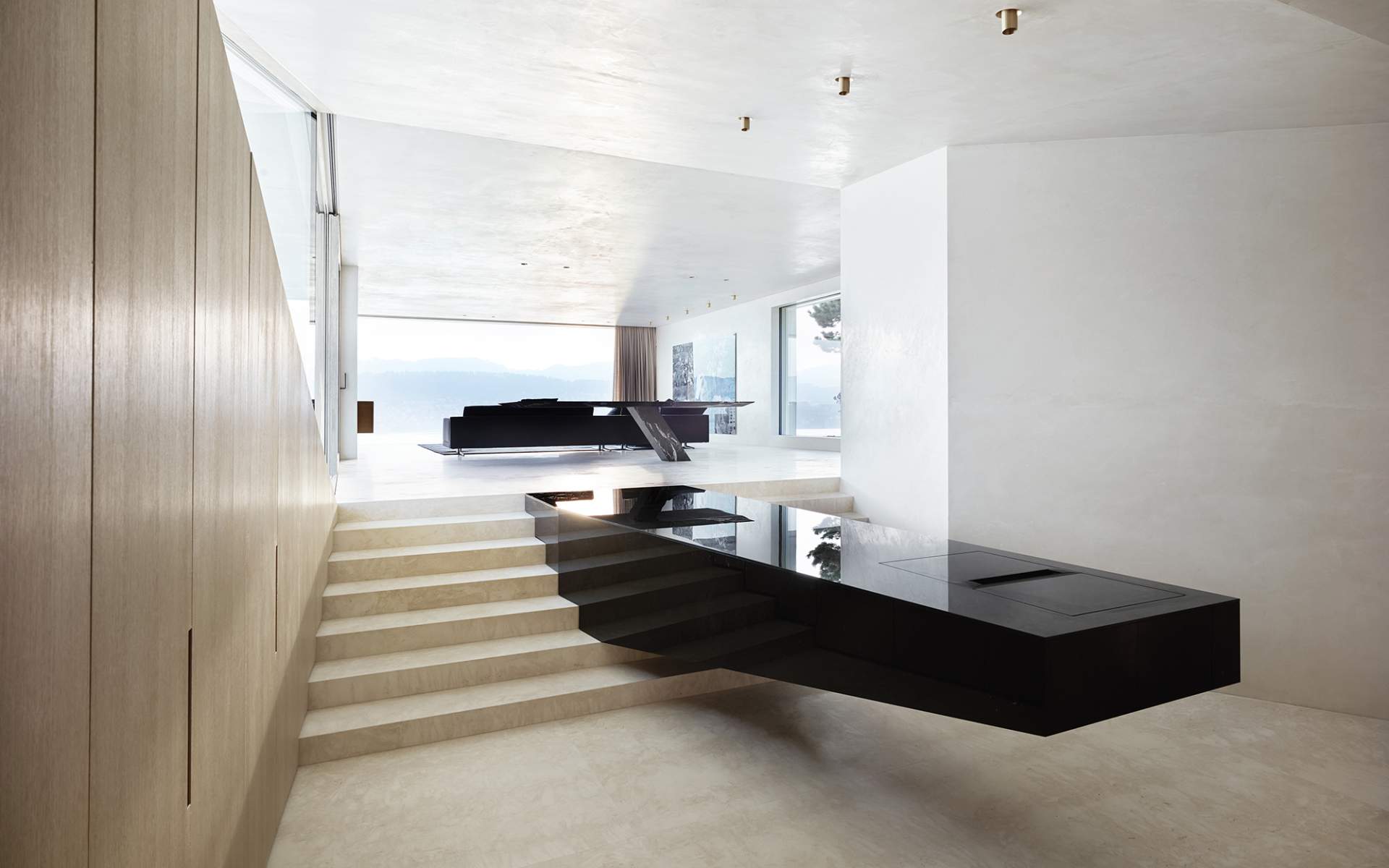
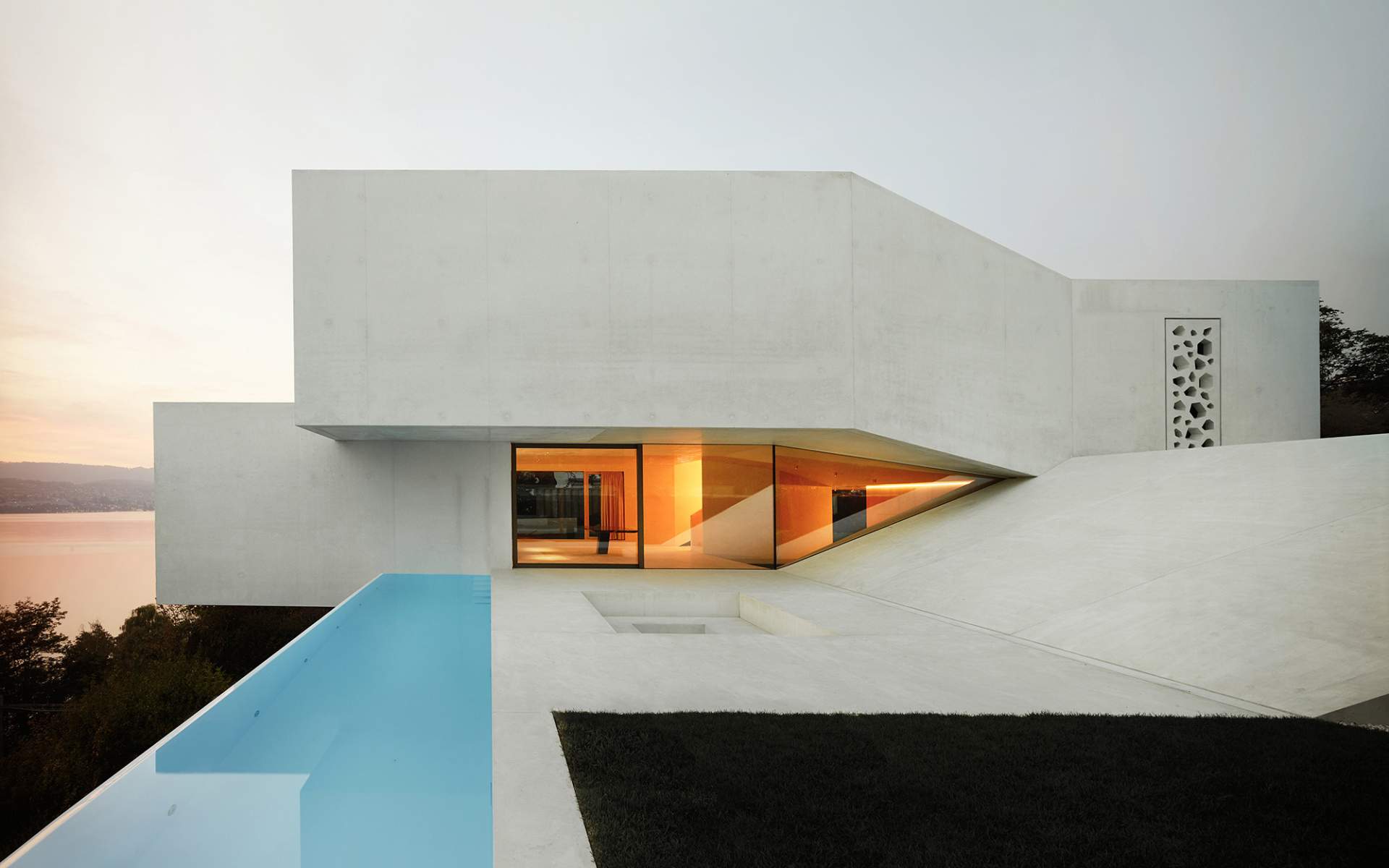
With CASA MI, we realized a project 10 years ago that is self-sufficient in terms of energy over the year. In addition to energy generation through geothermal probes and photovoltaic systems, the deliberate architectural design also contributes to minimal energy consumption. The positioning of the windows alternating with a thermally favorable building envelope, the shading provided by a south-facing canopy and timeless, high-quality materials create a harmonious room atmosphere in connection with the outside space and contribute to the sustainability of the building.
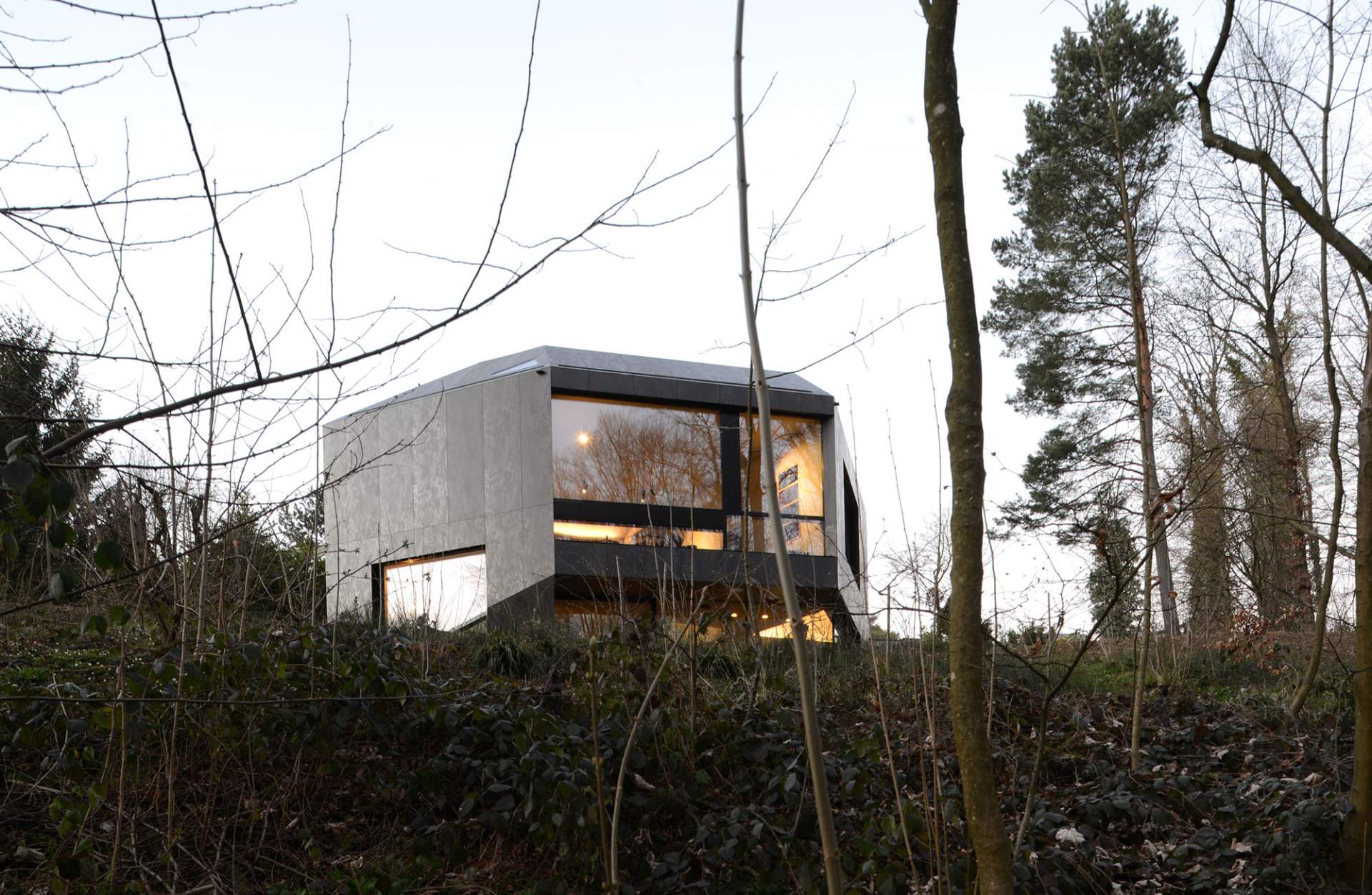
CASA FOREST is also a good example of the combination of atmospheric luxury and sustainability. In the compact building volume, an exciting relationship to the surrounding forest is created through the targeted placement of windows. This balance between openness and security contributes to the homely atmosphere as well as moderate energy consumption. Conscious renunciation can also create added value, as the phrase “less is more” so aptly describes. In the CASA FOREST, for example, no cladding or additional floor coverings were used in favor of a modern feel and the lively rawness of the materials. A sanded underlay floor simply has other qualities and can therefore also mean luxury.
Retirement in the right home: making the dream come true
Reading time: 3 min
Martin Brüngger and his sure instinct for the investment Real Estate market
Reading time: 5 min
Imputed rental value to be abolished: Why older properties can become a sales risk as a result
Reading time: 5 min
The three Zurich housing initiatives: an initial classification
Reading time: 11 min
We inform you about suitable properties before they are publicly offered.
"*" indicates required fields
One of the many advantages
I already have an account. To the login
"*" indicates required fields
"*" indicates required fields