Your personal search profile
Receive the real estate offers you are looking for before they are even on the market.

Rent out
Date
6.2.2024
Share
After careful consideration, the cantonal and cantonal councils have spoken out against the proposal. Based on existing and functioning regulations, they warn of the disproportionately high costs and the significant encroachment on private property in the event of actual implementation.
That’s why we’re highlighting the key points of the initiative for you here, summarizing the arguments of both supporters and opponents and presenting you with a well-founded perspective from a Real Estate professional to help you make your personal decision.
The aim of the initiative
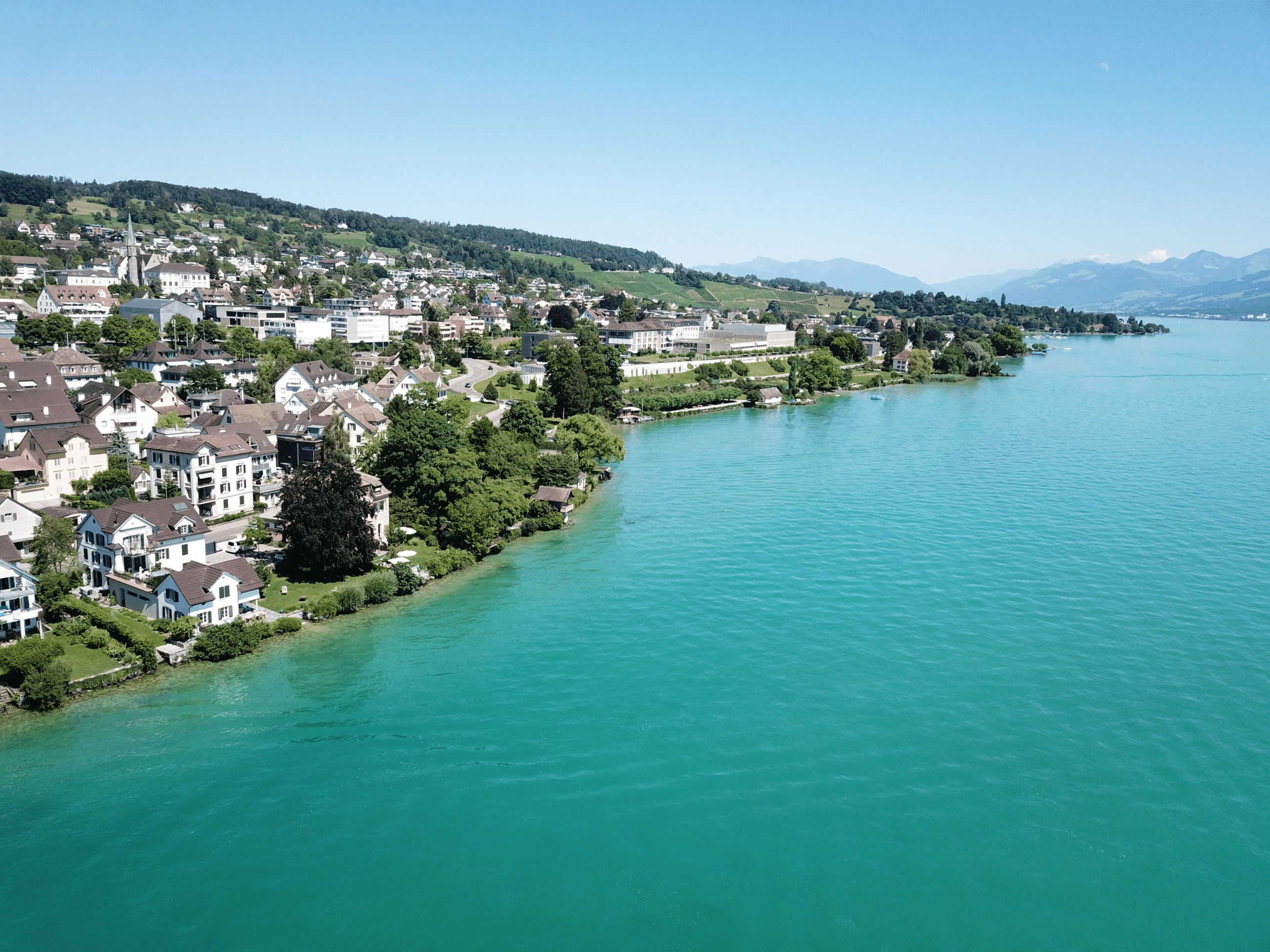
The popular initiative provides for two articles to be added to the cantonal constitution: One is intended to keep access to the shores of lakes and rivers free and make it easier to walk along them. In addition, it demands that shoreline paths should generally run along the land and as close to the shore as possible, whereby untouched and ecologically valuable shores should be preserved undiminished and ecologically enhanced. The other new article requires the construction of a continuous shoreline path by 2050 by the municipalities concerned for the part of Lake Zurich located on cantonal territory. This is to be financed entirely by the canton.
The arguments of the proponents
The arguments of the opponents
What has happened so far … our look back in history
Between the lines of the initiative and, above all, in the emotionally charged voting campaign of the supporters, you can sense how the beautiful villas directly on the lake are being targeted somewhat begrudgingly. As if their owners had used their financial resources to snatch the natural surroundings by the lake from under their greedy nails without wanting to share them.
But the reality is quite different, as history shows. Because 95 percent of the shore of Lake Zurich was filled in. Orchestrated and directed by the state through the construction of the railroad line and the lakeside road. As the lake level fluctuated greatly in the middle of the 19th century, there was a demand for embankments far away from the road. The state demanded massive embankments, which the new owners were forced to do at their expense. At the time, it was mainly commercial enterprises that were interested in these areas, as they needed flat plots of land, were dependent on the availability of water or wanted to transport their materials and finished products cheaply by water.
Private individuals created these shoreline areas and paid for them, i.e. co-financed the lakeside road. These plots remained in private ownership and can still be freely traded. With the upswing and social change, the tradesmen moved away – also thanks to the new road and railroad – and left their plots to families who wanted to live here after the Linth correction. And who always built properties with strict conditions regarding the protection of nature. Requirements that have been extended over time and are now at a level that places very high value on the well-being of plants and animals. And their implementation by the individual owners – as you can see impressively if you take another lake cruise on a Lake Zurich boat – is outstandingly well done and fully supported financially.
Therefore: Nature conservation and riverside paths are a contradiction
It is obvious to everyone that birds and ducks, for example, fare best when as few people as possible intrude into their habitats. These water clearance lines and water clearances for buildings, driveways, roads and paths are well regulated to protect nature and animals. Waving through an initiative that allows the construction of paths along rivers on at least one side or this continuous lakeside path is not progress. After all, animals need protected areas for foraging and raising their offspring – both above and below the surface of the water. Otherwise, we are encouraging ducks and swans to become dependent on humans for food or to leave the region and fly away forever.
A valuable asset: property security
It’s quite simple: property in Switzerland is protected, and expropriation is only possible if the state can prove a substantial interest for the general public. Expropriation for walking, mind you, in a canton with thousands of walking and hiking trails, including along the water, would significantly lower the barrier for such serious interventions and awaken new desires that could – if you’ll pardon the pun – run rampant. Wouldn’t it be nice if we had more cycle and e-bike paths, picnic spots, dog playgrounds…? There are hardly any limits to the imagination for expropriation, and so this initiative is about the cause and our principle of the extent to which we want to respect private property.
A Swiss virtue: maintaining proportionality
If the canton of Zurich, with its population of around 1.6 million, wants to spend 460 million francs – according to the government council’s independent estimate at the lower end of the expected costs – on the lakeside path, you have to ask yourself whether there aren’t more important things to do with the average of almost 300 francs per person, from newborns to the elderly, to walk around Lake Zurich.
Of course, some Zurich residents will travel from Rafz, Hagenbuch, Niederweningen or Fischenthal to take a closer look at the lakeside path that they are helping to finance. But hand on heart: is this money well spent and, above all, in the right place, when there are already enough public places to enjoy the beauty of Lake Zurich with its still intact nature?
Our recommendation to all voters
The need to protect nature is not compatible with people’s desire for comfort. As real estate specialists, we recommend rejecting this initiative, which is difficult to implement, expensive, disproportionate and unnecessary from the point of view of nature, by putting a clearly written and intended NO in the ballot box.

Retirement in the right home: making the dream come true
Reading time: 3 min
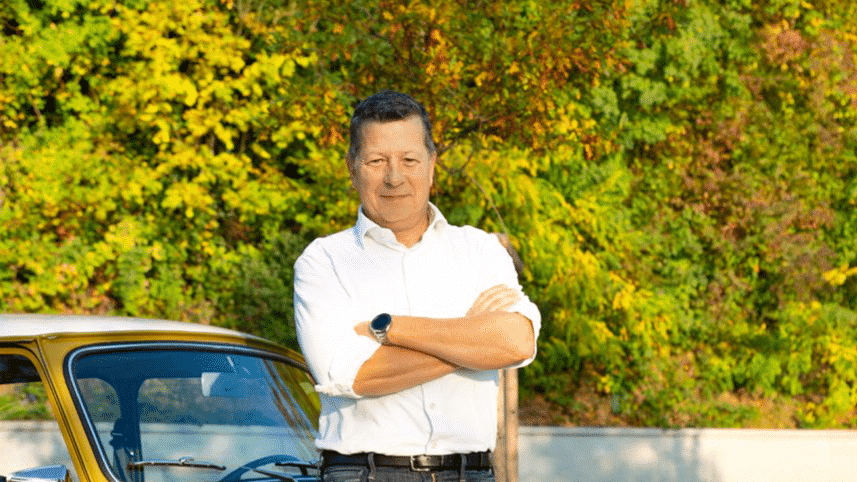
Martin Brüngger and his sure instinct for the investment Real Estate market
Reading time: 5 min
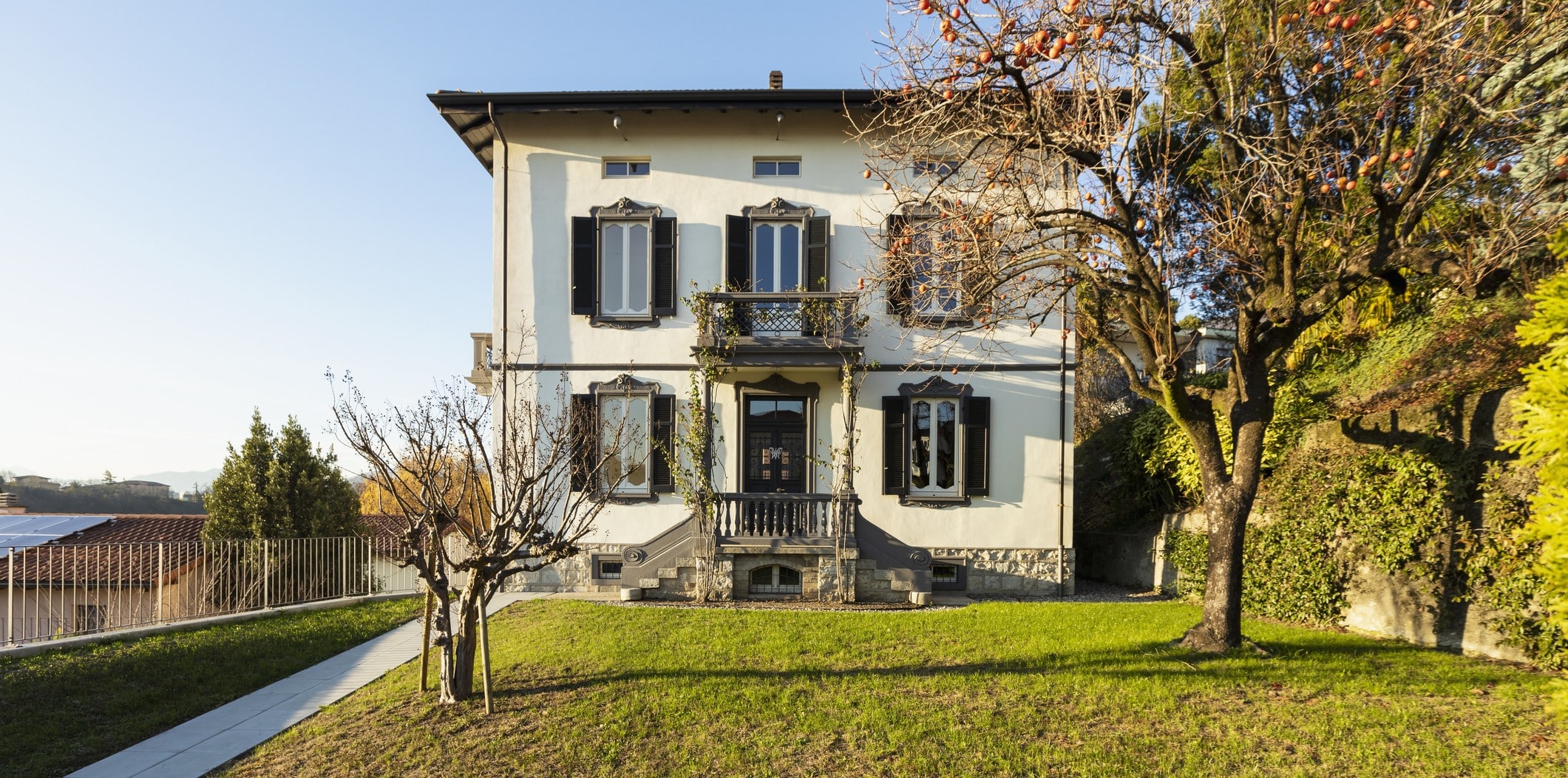
Imputed rental value to be abolished: Why older properties can become a sales risk as a result
Reading time: 5 min
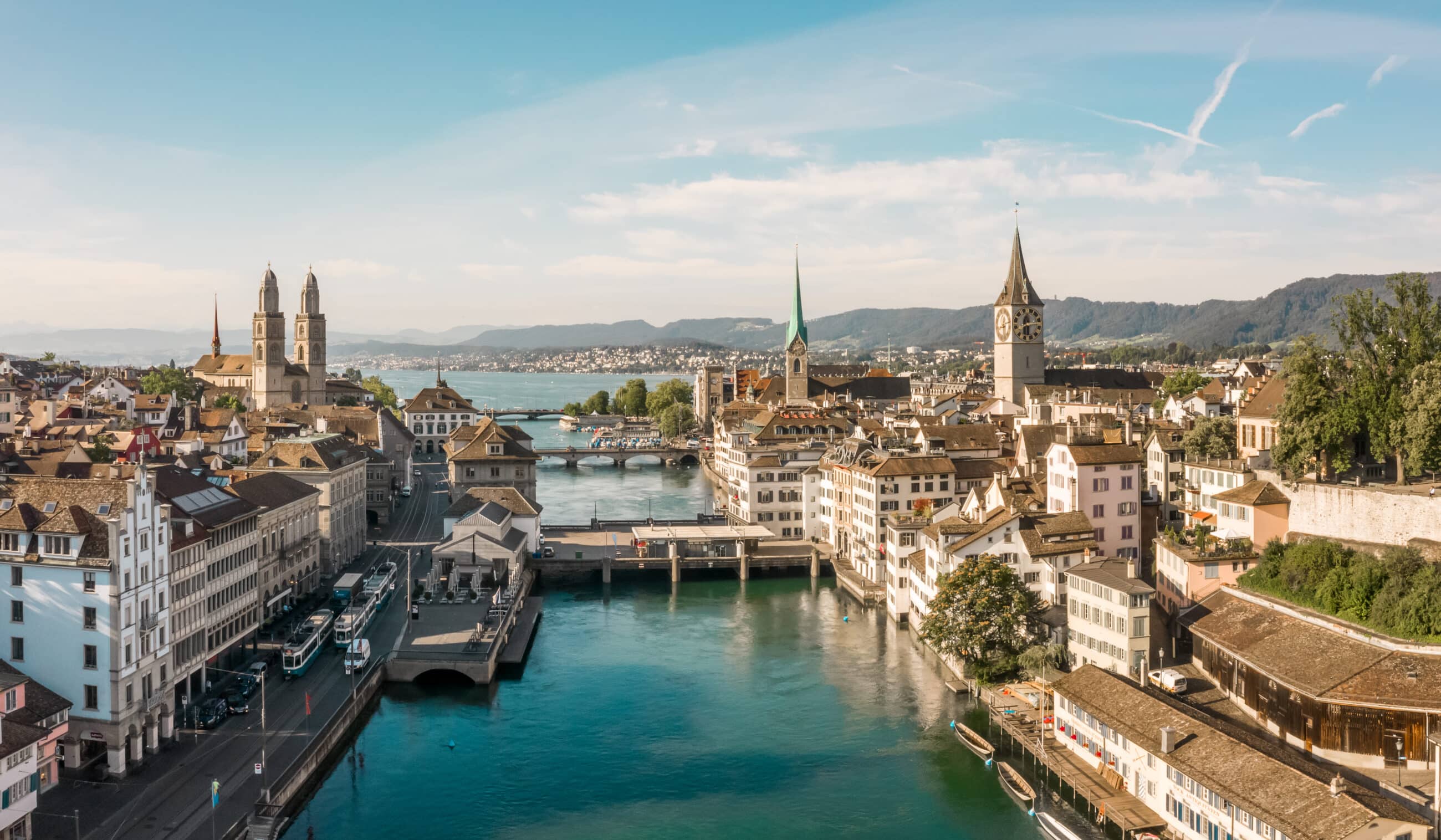
The three Zurich housing initiatives: an initial classification
Reading time: 11 min
We inform you about suitable properties before they are publicly offered.
"*" indicates required fields
One of the many advantages
I already have an account. To the login
"*" indicates required fields
"*" indicates required fields