Your personal search profile
Receive the real estate offers you are looking for before they are even on the market.

Rent out
Date
15.3.2022
Share
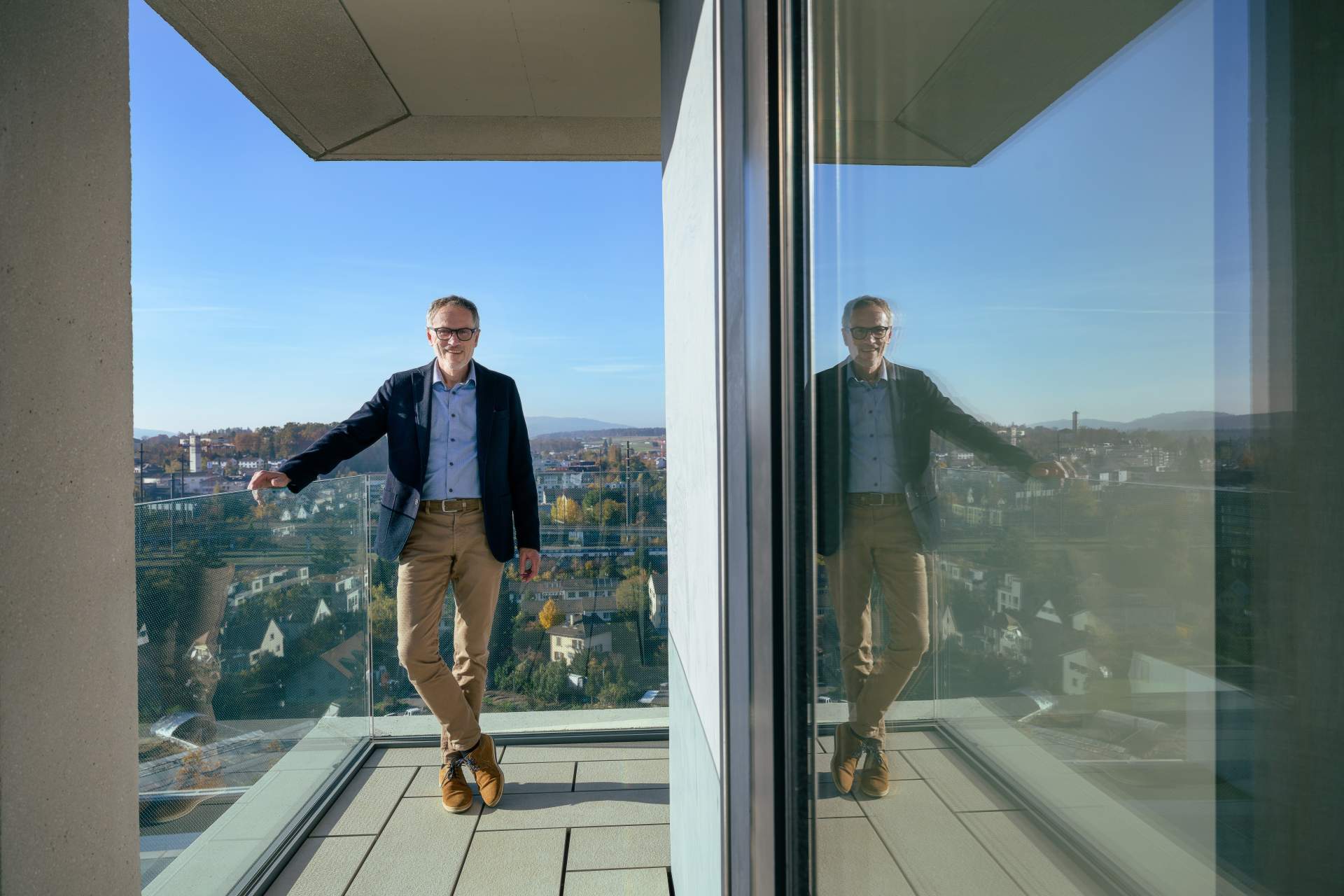
From Stefan Schmid’s living room, Zurich-Seebach looks like a toy model, small and cute. Neither the squeaking of the trains nor the humming of the trucks penetrates through the thick windows. The silence inside makes the world outside seem even more remote. An urban backdrop, admirable from the cream-colored seating furniture. “You can even see Alpine swifts up here,” says Stefan Schmid. A bird species that avoids the city floor. The 61-year-old lives almost 50 meters above Zurich North, on the 15th floor of a high-rise duo called The Metropolitans, located next to Leutschenbachpark. “When I moved in here six years ago, it was doubly exotic,” says Schmid. He swapped Zumikon, a low-tax Gold Coast community, for a poorer city district, an atypical move. In 2015, there were also hardly any high-rise residential buildings in Zurich North. Since then, more towers have been built there. Living high above the city was a rarity in Zurich for a long time. In the 1960s and 1970s, the city itself built a few residential towers, such as Lochergut. Blocks with over ten storeys were also built in Affoltern and Schwamendingen. They were soon regarded as symbols of poorer neighborhoods.
This image has changed. After the turn of the millennium, private investors built the first towers with expensive apartments in Zurich West. With the new popularity of cities, this form of living has also gained acceptance, says Real estate developer Henrik Jason Stump. “Instead of an apartment in Seefeld, some people are looking for one higher up.” The Office for Urban Development is currently drawing up a new high-rise model. This should significantly expand the zones in which high-rise buildings are permitted. Towers up to 250 meters high could become possible along the railway line. Some architects and urban planners oppose this development. High-rise buildings are too dominant, too inefficient and too unecological. An ETH urban researcher called them “stacked single-family homes.” The residents of Zurich themselves are divided, as a survey conducted by this newspaper in connection with the local municipal elections has shown. A narrow majority of 51 percent supports 250-meter towers. Support is highest among FDP and GLP voters and lowest among supporters of the Center Party, SVP, and AL. The housing market’s verdict, however, is clear, says high-rise resident Stefan Schmid. “High-rise buildings are very well received.” Schmid himself works as a real estate agent. About nine years ago, he handled the Sales of all 212 apartments in the planned twin towers, The Metropolitans. These went unexpectedly well, says Schmid, although there was little to compare them with. “Every third conversation led to a deal.” Schmid was soon “infected” himself . He secured two apartments at once, which he had combined into a single, large one. Many buyers – like himself – had not previously lived in the city, says Schmid. “They came from the Lake Zurich municipalities or even from Graubünden.”
According to Schmid, there are several reasons for the success of The Metropolitans: an unusual form of living, high-quality building fabric and moderate prices. At the time, apartments ranging in size from 75 to 200 square meters cost between 600,000 and three million francs. “Today, the price has probably risen by a third,” says Schmid. In the neighboring Wolkenwerk project, which consists of three towers, two two-storey penthouses are still for sale around a year after opening. Price: around 2.75 million francs. The rest of the more than 300 apartments have been sold or rented out. “Most of them were already gone a year before completion,” says project developer Stump. Peter Schwehr takes a skeptical view of Zurich’s push to the top. The professor of architecture at Lucerne University of Applied Sciences and Arts researches high-rise buildings. He sees their main problem as being that they have so far made “hardly any contribution to affordable, high-density living”. Their construction costs significantly more than that of five- to six-storey buildings. This is due to the complex construction and Development as well as strict requirements, for example in terms of fire protection. “This creates expensive apartments for people who can afford a lot of space,” says Schwehr. The consumption of living space is above average in high-rise buildings. Due to Swiss building laws, high-rise buildings are not allowed to stand close together, but must keep their distance from other buildings. As a result, despite their height, they hardly provide any additional living space on a plot of land, says Schwehr. “High-rise buildings usually mean more building mass for the privileged, but no densification.” There is also greater anonymity in high-rise buildings, as the elevator takes residents directly to their front door. “This means stairwells lose their social function,” says Peter Schwehr.
Research assumes that people in high-rise buildings also develop a weaker relationship with their neighborhood due to the “detachment” of their living situation. This creates an imbalance, says Peter Schwehr. The oversized towers shape the cityscape. “But they often only make a small contribution to the revitalization of the surrounding area.”
It is often said that high-rise residents take the lift to the underground car park in order to leave by car. As a result, they don’t even appear in public spaces. This is not his impression, says Stefan Schmid. He himself commutes by public transport. He does most of his shopping in the neighborhood. “I often see people from the Metropolitans on the street.” Schmid says that he appreciates the anonymity of his apartment. “You don’t need shutters at this height either.” Nevertheless, he maintains contact with the neighbors. Two places that are open to all residents contribute to good coexistence: the entrance hall and the Skylounge, as the Roof terrace on the 20th floor is called. So everyone can enjoy the best view – you can see a few more mountains than from Schmid’s apartment.
Real estate developer Henrik Jason Stump says that people actually meet more often in the elevators of high-rise buildings than in the stairwells of ordinary buildings. “The anonymity of high-rise buildings is a prejudice.” The new Zurich city model should continue to ensure that high-rise buildings blend in better with the city. There should also be affordable apartments in the towers. A lot of research and experimentation is going on in this area, says Schwehr. The Zurich cooperative ABZ is taking on a pioneering role. It is planning an 85-metre high-rise building on the Koch site, in which 30 percent of the apartments will be subsidized. Thanks to its extensive experience, the ABZ has been able to keep construction costs low, says spokesman Ariel Leuenberger. In the cooperative high-rise, three floors will form a single unit. Stairs and common rooms will connect the apartments.
This is how the ABZ wants to facilitate encounters. Peter Schwehr believes this is a promising approach. “But it will remain a challenge to build affordable high-rise buildings that fit well into the city.” Stefan Schmid has “never regretted for a second” his move to the Leutschenbach sky, as he says. “The view is always great”. As if to confirm this, the evening sun colors the snow-covered Alpine peaks on the horizon orange.
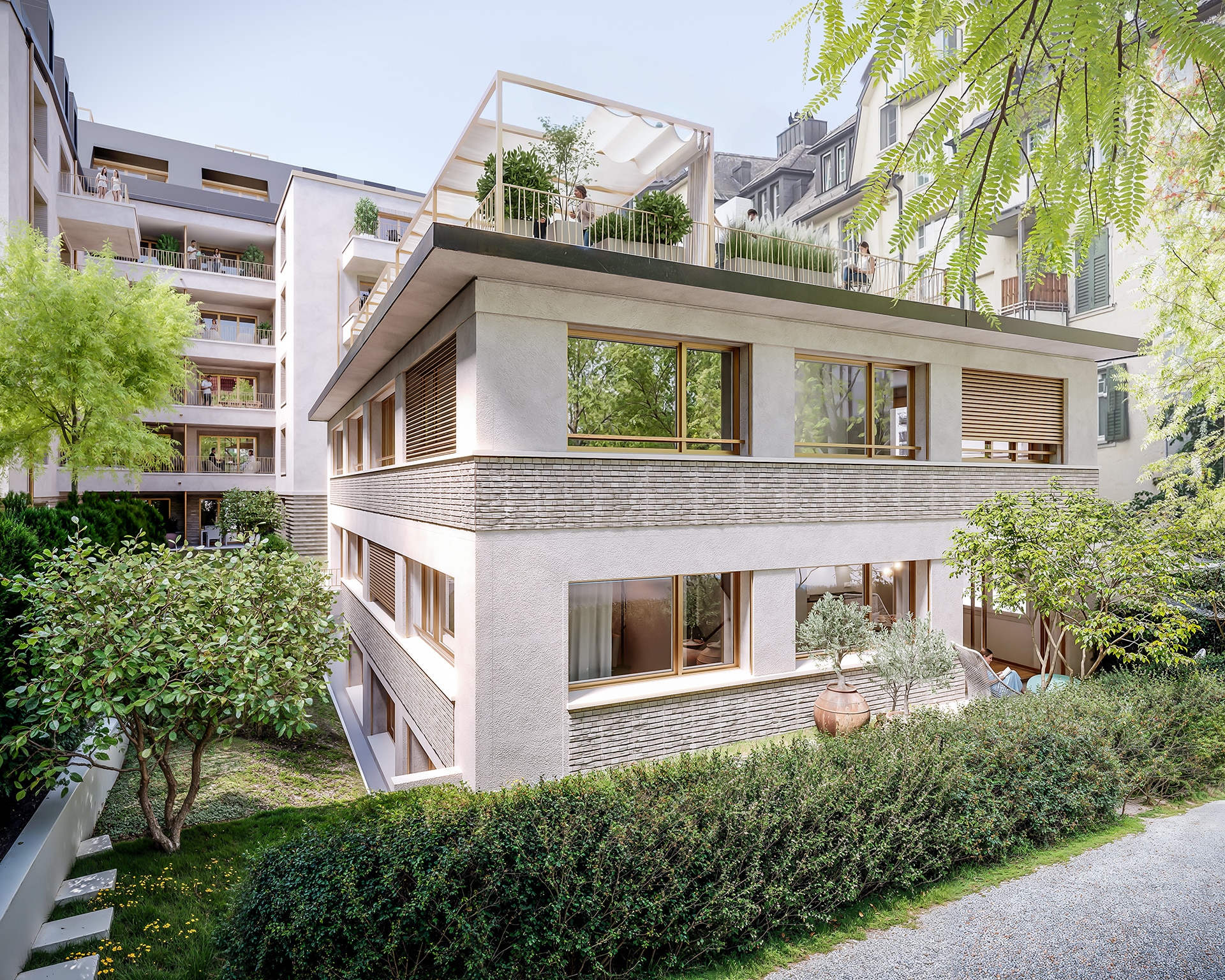
New-build rental apartments and Tiny Houses in Zurich Seefeld
Reading time: 2 min

Calculating Capital Gains Tax on Real Estate: Here’s How
Reading time: 4 min
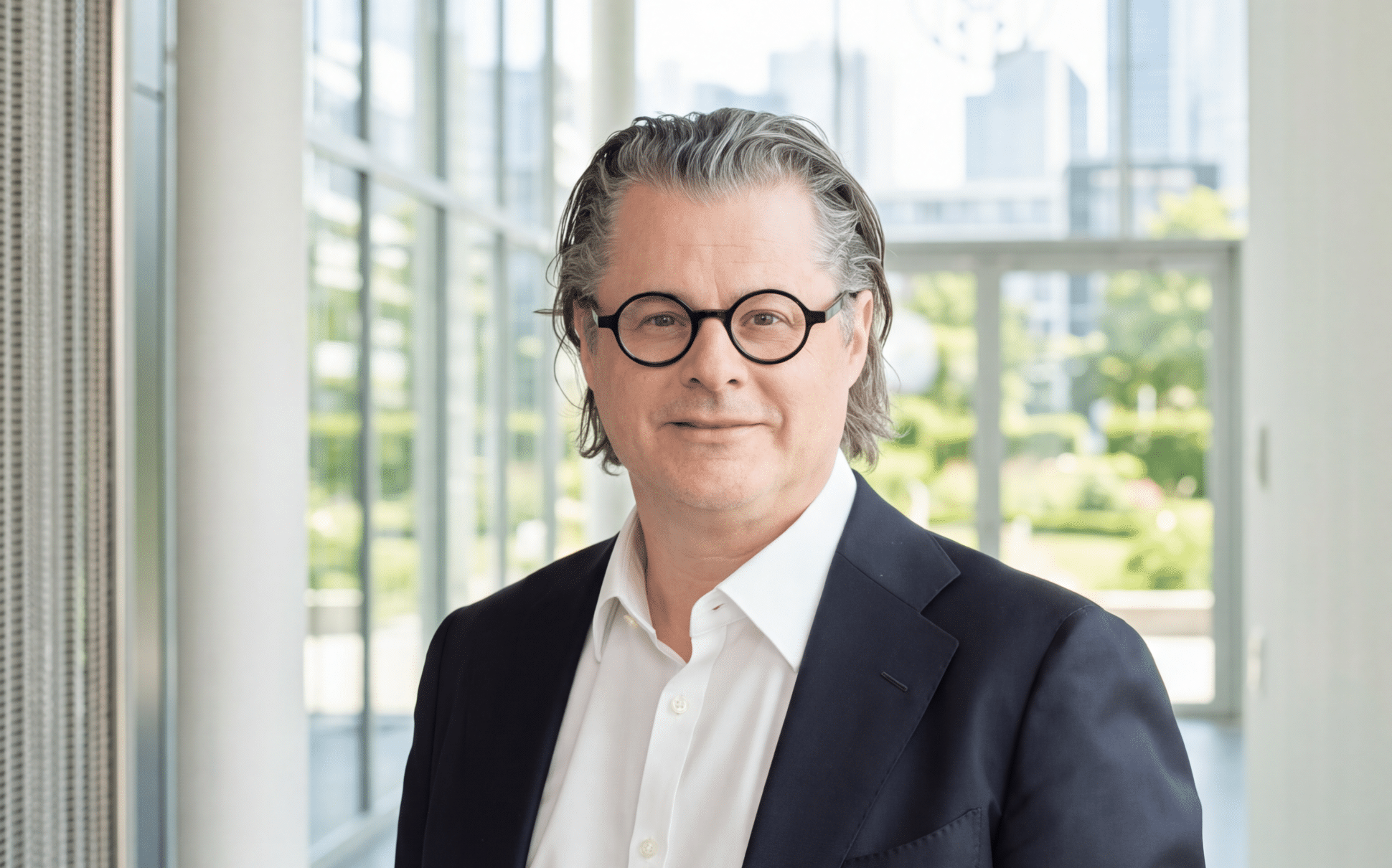
NZZ Residence, October 26: Interview with Claude Ginesta: “To me, providers of fixed-price models aren’t real Real estate agents”
Reading time: 8 min
World Habitat Day
Reading time: 5 min