Your personal search profile
Receive the real estate offers you are looking for before they are even on the market.

Rent out
Date
21.1.2021
Share
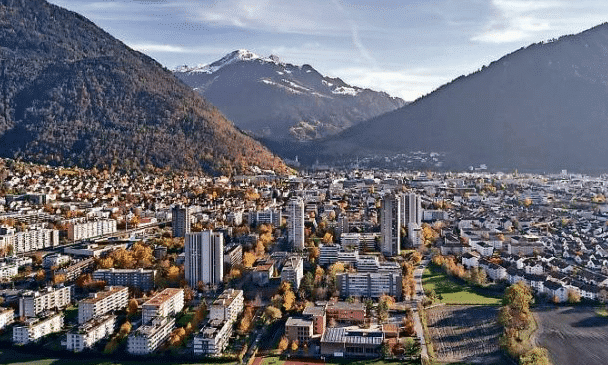
The rustic 2-room apartment with exposed wooden beams. The beautiful 3.5-room apartment in an old building with high ceilings. The urban 5-room loft with roof terrace in the city. Or would you prefer the 10-room house in the countryside? It’s all a question of taste, space requirements – and, above all, money. Yes, housing is often also about the tiresome topic of finances. And if you read the latest market report for the region from Bonaduz to Maienfeld (including Chur) from Ginesta Immobilien, you might get the feeling that living has become a luxury. In Haldenstein, for example, a detached house now costs 50 percent more than it did 20 years ago. And a condominium is now 90 percent more expensive than it was at the turn of the millennium. Incidentally, this picture is not only evident in Chur, but also in the Imboden region, the Bündner Herrschaft and the Fünf Dörfer district. So is housing really a luxury today? “Not housing as such, no,” says real estate expert Sascha Ginesta. But home ownership does have its price, even if this depends heavily on the region in which the property is located. “Resorts are booming at the moment. Central regions have always been popular. And that also has a lot to do with migration from the valleys,” he says. Basically, you can also say that there are more rental apartments in urban areas. And the more rural it becomes, the higher the proportion of owner-occupied homes. This then has a corresponding effect on the supply. But the coronavirus has also shaken up the real estate world. With the directive to stay at home, the home has become much more important – as a place to feel good and as a place to work. “Since March, we’ve seen a real ‘run’ on second homes,” says Sascha Ginesta. Many people have realized that they can also work from there and don’t have to commute every day. “Working from home can therefore also be an opportunity for peripheral areas that are struggling with emigration.” Apartments and houses with a garden are also particularly popular at the moment. How sustainable these developments are remains to be seen, says Sascha Ginesta. Many trends have already been predicted in the real estate industry. At the moment, for example, sustainable buildings are a hot topic. And also the idea of living, working and living under one roof. “Today, many people have at most an improvised desk in a corner of the guest room. New living models may work differently in the future,” says the expert.
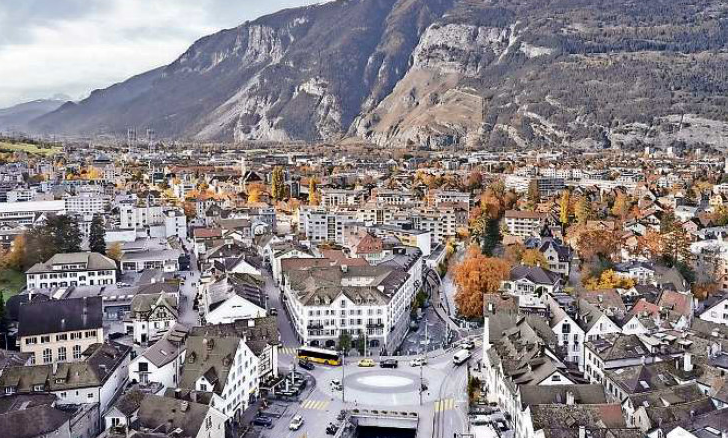
Tiny Houses, i.e. houses that are tiny and usually have less than 50 square meters of living space, also work differently. “People have been talking about this movement for a while, but it hasn’t really arrived here. Maybe not yet,” says Sascha Ginesta. The statistics support his statement. In fact, the opposite is the case, because rather than less space per person, more is needed every year. On average, every Swiss person had 46 square meters of living space to themselves in 2019. And the people of Graubünden even have a little more space, namely
Download the PDF article
Click here for the market reports
Retirement in the right home: making the dream come true
Reading time: 3 min
Martin Brüngger and his sure instinct for the investment Real Estate market
Reading time: 5 min
Imputed rental value to be abolished: Why older properties can become a sales risk as a result
Reading time: 5 min
The three Zurich housing initiatives: an initial classification
Reading time: 11 min
We inform you about suitable properties before they are publicly offered.
"*" indicates required fields
One of the many advantages
I already have an account. To the login
"*" indicates required fields
"*" indicates required fields