Your personal search profile
Receive the real estate offers you are looking for before they are even on the market.

Rent out
Date
18.3.2017
Share
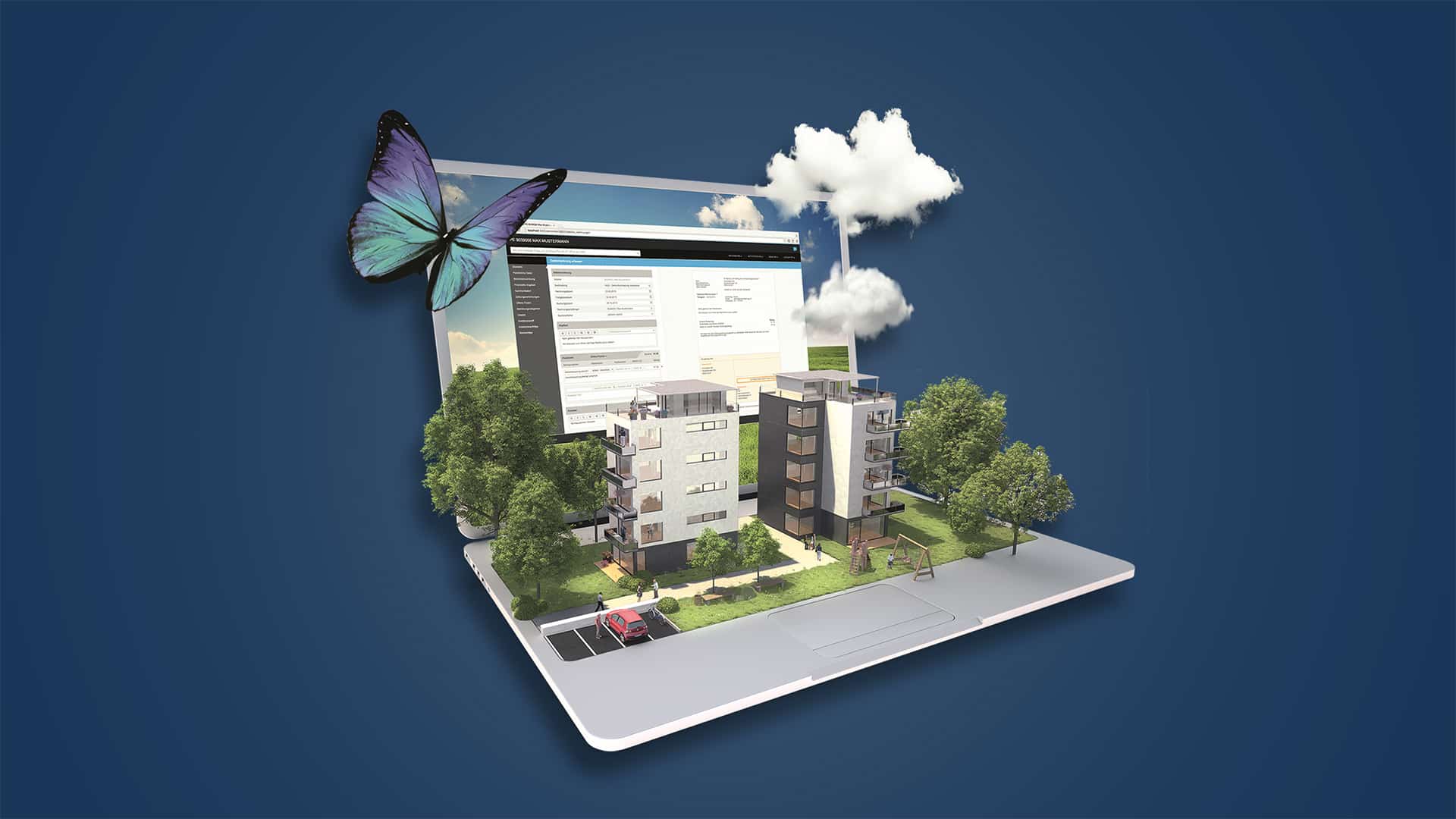
The most obvious change in the real estate sector concerns the marketing of properties for rent and sale, whether apartments, offices or commercial space. A potential buyer can already take a virtual, 3D tour of a property in Geneva or New York. Thanks to the technology in the digital presentation, you can get an idea of most of the external features such as the floor plan, sense of space, materials and incidence of light without being present on site.
However, technical innovations in communication and the Internet in particular are not only changing the methods of marketing, but are also increasingly affecting other areas, such as real estate brokerage and the transaction market. According to Claude Ginesta from the real estate company of the same name in Küsnacht, such internet platforms will change the real estate scene even more than previously assumed: “There are already examples in the United States and to some extent in Switzerland of web platforms directly competing with real estate agents.”
For example, an internet platform establishes initial contact with a potential seller, offers them various services and, in a further step, establishes contact with a broker from its own network of sales specialists. What was previously considered the exclusive domain of good real estate agents, namely the establishment of initial contact between the seller and prospective buyer, is now in the hands of the web platforms.
“Perhaps we estate agents will have to come to terms with the fact that both parties to a real estate transaction will find each other through different channels in the future than they have in the past,” says Ginesta. Nevertheless, this would not completely turn the role of the estate agent on its head. After all, a transaction always involves a wide range of other services in addition to advice, appraisal and documentation of the property and professional sales and negotiation management.
In Switzerland, Comparis and Realmatch360 are among the platforms that are developing new business models in real estate brokerage. Comparis has already built up its own network of cooperation partners among brokers and a corresponding operation. Brokers who want to participate in this new area of the real estate market sign cooperation agreements with Comparis. Comparis justifies this with quality assurance, but business interests undoubtedly play a role here: If a real estate transaction is concluded in this way, Comparis is entitled to 25% of the sales commission generated.
In the longer term, web service providers will endeavor to market additional services and products via these sales channels: Mortgage brokerage, real estate insurance and much more are obvious.
The Internet and the new communication possibilities generally create new information and comparison possibilities. Buyers and tenants who approach estate agents, property managers and landlords usually have more solid prior knowledge than in the past and tend to have higher expectations. Databases and digital marketplaces on the Internet offer a rich pool of comparative data, especially for standardized, relatively comparable condominiums or single-family homes. As sellers, private individuals now have new ways of estimating the approximate market or comparative value of their property. This puts both sellers and buyers in a better position.
The traditional profession of appraiser or real estate valuer is therefore not fundamentally called into question. Whenever easy comparability is not a given, their expertise and qualified service will continue to be of central importance. This applies, for example, in the case of increased requirements for the reliability of an independent valuation, such as in the case of the division of joint heirs or divorces. This is even more true for complex and large transactions. “When entire real estate portfolios or investment properties change hands, the services of valuers are still in demand, especially their expertise in advising the parties during the transaction,” says Thomas Gawlitta from the consulting firm of the same name in Berlin. Gawlitta is also the author of the book “Digital Real Estate Communication” and has been dealing with the consequences of digitalization for years.
Changes can also be expected from the fact that tenants, buyers or, more generally, users of space and services in the real estate sector will be able to provide more feedback and performance assessments in the future. Just as Airbnb or Tripadvisor have already been developing considerable market power in the accommodation and tourism sector for some time on the basis of customer recommendations or reviews, the real estate scene will have to adapt to such changes in the same way.
On the one hand, this increases the pressure on all suppliers and service providers in the entire real estate value chain, but at the same time opens up new perspectives in a constructive sense: The more data is available on actual wishes, needs and quality assessments, the more reliably services and products can be adapted to demand. In the construction and real estate sector, such innovations are particularly valuable because it often takes years from the first sketch of an idea for an undeveloped plot of land to the occupation of an apartment.
Well-founded knowledge of demand trends and the respective needs on the market ultimately helps to avoid incorrectly designed or incorrectly positioned offers from the outset. In combination with the new display and staging technologies mentioned at the beginning – almost perfect 3D views of apartments and houses – new approaches to product design and positioning are available to the planning and real estate industry. Based on virtual tours, the tenant or The buyer will have a good basis for experiencing and designing their “dream property” in advance. This would also make something like “on demand” housing production possible in the future.
* Transcript of an NZZ article from 27.5.2015 by Jürg Zulliger

Current legal change: More protection for home buyers in the event of construction defects
Reading time: 4 min
Ginesta owner portal: transparency for your property
Reading time: 2 min

When the vacations begin for others, our team is running at full speed.
Reading time: 3 min

Ginesta supports Winterhilfe Switzerland
Reading time: 1 min
We inform you about suitable properties before they are publicly offered.
"*" indicates required fields
One of the many advantages
I already have an account. To the login
"*" indicates required fields
"*" indicates required fields